




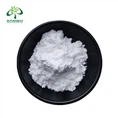
What Is Used For Tobramycin
Tobramycin Powder usually refers to a drug in powder form of the product, an antibiotic belonging to the aminoglycoside class. This powder form is usually used for inhalation therapy after dissolution, especially for the treatment of those suffering from long-term lung conditions (such cystic fibrosis).it is an antibiotic used to treat a variety of bacterial infections. It is part of the aminoglycoside class of antibiotics that functions by preventing the production of proteins by bacteria, which ultimately kills the bacteria. It is particularly effective against Gram-negative bacteria. If you are interested in Tobramycin, please feel free to contact Xi'an Sonwu.
Common uses include:
1. Respiratory Infections: it is often used to cure lung infections in cystic fibrosis patients, including infections caused by Pseudomonas aeruginosa.it is often used as an inhaled treatment for patients with cystic fibrosis to manage chronic Pseudomonas aeruginosa infections in the lungs. This helps reduce the frequency of flare-ups and improve lung function.
2. Urinary Tract Infections (UTIs): They can be used to treat serious UTIs caused by susceptible bacteria. Especially when caused by Pseudomonas aeruginosa or other bacteria that are resistant to other antibiotics and are gram-negative.

3. Skin Infections: it may be applied topically (in ointment or cream form) to treat localized skin infections caused by susceptible bacteria.
4. Eye Infections: the product eye drops are utilized to treat bacterial eye infections, including keratitis and conjunctivitis.
5. Systemic Infections: It is sometimes used to treat severe systemic infections, especially those involving Gram-negative bacteria, when other antibiotics may not be effective. Such as:
- Pneumonia
- Sepsis
- Endocarditis (infection of the heart lining)
- Peritonitis (infection of the abdominal cavity)
- These infections are often caused by resistant Gram-negative bacteria, and they are used when other antibiotics may not be effective.
It is typically administered either by inhalation or topical application, depending on the location and severity of the infection. As with all antibiotics, it is important to follow medical guidance to avoid resistance or side effects, including kidney damage or hearing loss, which can be potential risks with prolonged use of the product.
Is Tobramycin Better Than Azithromycin
Tobramycin and azithromycin are both antibiotics, but they belong to different classes and are used to treat different types of infections. Whether one is "better" than the other depends on the specific infection being treated, the bacteria involved, and other factors like the patient's medical history. Here's a comparison of the two:
1. Indications
Tobramycin is commonly used for:
Severe Gram-negative infections (including sepsis and pneumonia).

Chronic lung infections in cystic fibrosis (particularly caused by Pseudomonas aeruginosa).
Topical or ophthalmic infections (eye infections caused by susceptible bacteria).
Azithromycin is commonly used for:
Respiratory tract infections (e.g., bronchitis, pneumonia).
Ear infections (e.g., otitis media).
Sexually transmitted diseases (e.g., chlamydia, gonorrhoea).
Skin infections (e.g., impetigo).
Atypical infections (e.g., mycoplasma pneumonia).
2. Class and Mechanism of Action
Tobramycin:
Class: Aminoglycoside
Mechanism: Inhibits bacterial protein synthesis by attaching itself to the bacterial ribosome's 30S subunit, leading to bacterial cell death.
Primarily effective against Gram-negative bacteria, particularly Pseudomonas aeruginosa.
Azithromycin:
Class: Macrolide
Mechanism: By attaching to bacteria, it prevents the creation of proteins the 50S subunit of the bacterial ribosome, but it generally has a bacteriostatic effect (inhibits bacterial growth rather than killing bacteria directly).
efficient against a wider variety of germs, such as Gram-positive bacteria and certain atypical organisms (like Mycoplasma and Chlamydia).
Summary: When is one "better" than the other?
Tobramycin would be "better" when the infection is caused by Gram-negative bacteria, particularly Pseudomonas aeruginosa, and when severe infections are present, such as in cystic fibrosis, sepsis, or severe pneumonia.
Azithromycin would be "better" when the infection involves atypical bacteria, such as community-acquired pneumonia, sexually transmitted infections, or upper respiratory infections. It is also useful in treating certain Gram-positive infections, like Streptococcus.
So, neither is universally "better"-the choice depends on the type of infection, the bacterial pathogen, and other individual factors like patient health, antibiotic resistance patterns, and side-effect considerations. Always follow your healthcare provider's recommendations when deciding between antibiotics.
Does Tobramycin Cure Pink Eye
It can be used to treat certain types of bacterial conjunctivitis (commonly known as pink eye) caused by susceptible bacteria. However, it is not typically the first-line treatment for most cases of pink eye.
When it May Be Used for Pink Eye:
It is an antibiotic that can be effective against Gram-negative bacteria, including some of the bacteria that cause eye infections, such as Pseudomonas aeruginosa and certain Gram-positive organisms. It is usually prescribed in eye drops or ointment form to treat bacterial conjunctivitis.
- Bacterial conjunctivitis: If pink eye is caused by a bacterial infection, it (as eye drops) can help clear the infection by killing or inhibiting the growth of the bacteria. It's more commonly used when there is concern about resistant bacteria or when the infection is severe.
Treatment for Pink Eye:
- Bacterial conjunctivitis: it may be prescribed if The microorganisms that cause the illness are susceptible to the drug. Other antibiotics, such as erythromycin or moxifloxacin, might also be used.

- Viral conjunctivitis: In most cases, viral pink eye is self-limiting and will resolve on its own within a few days to two weeks. Treatment is usually supportive (e.g., using lubricating eye drops to reduce irritation).
- Allergic conjunctivitis: This is typically treated with antihistamine eye drops or other allergy medications.
Does Tobramycin Have Side Effects
Yes, Tobramycin, like most medications, can have side effects, especially when used in high doses, for extended periods, or in certain populations. It is an aminoglycoside antibiotic, and while it is effective at treating bacterial infections, its use needs to be handled carefully because there is a chance of major side effects.
Common Side Effects:
When used in the form of eye drops (for treating ocular infections like pink eye) or inhalation (for treating lung infections, particularly in people with cystic fibrosis), the side effects are generally milder and more localized. However, systemic (whole-body) side effects can occur if the drug is administered intravenously or over a long period.
Systemic side effects (more common with or high-dose use): Nephrotoxicity (kidney damage), Ototoxicity (hearing damage), Muscle weakness, Allergic reactions.
It is an effective antibiotic but comes with the potential for serious side effects, particularly kidney damage and hearing loss.
If you want to know the price of Tobramycin Powder, are interested in Xi'an Sonwu, or have other questions about the product, do not hesitate to contact Xi'an Sonwu.