




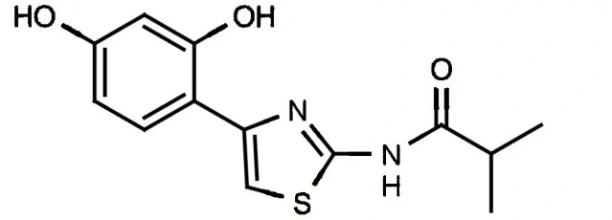
Thiamidol powder, as a new whitening and pigmentation treatment ingredient, has significant effects and exemplary safety. Its chemical name is isopropylidenedioxyphenyl-4-butanol (INCI: Isobutylamido Thiazolyl Resorcinol). It is a highly effective and safe tyrosinase inhibitor in skin care products. It inhibits tyrosinase activity and reduces melanin production, effectively improving pigmentation problems. When utilized in cosmetics and skin care products, it is a helpful method to assist achieve an even skin tone and minimize black spots. It is a common ingredient in skin care and cosmetics products like lotions, serums, and creams. It reduces dark spots and offers a useful option for people who want more even skin tone. Long-term use of Thiamidol products can help achieve a bright, even, and healthy skin tone.
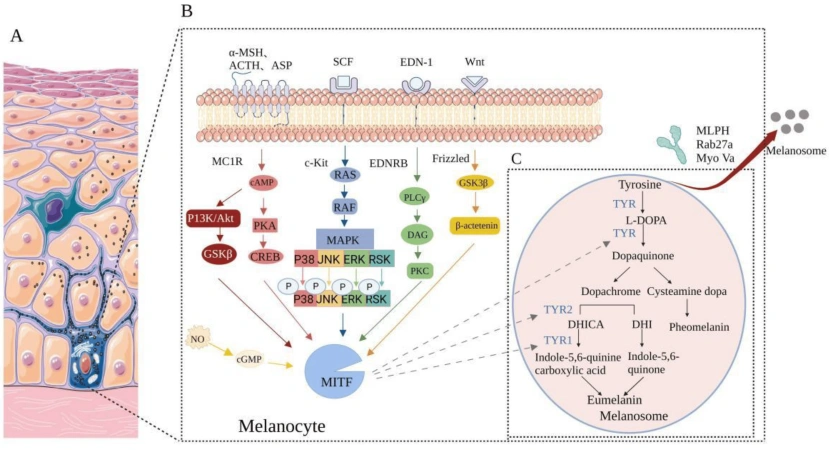
Thiamidol Mechanism Of Action
It mainly reduces the production of melanin by inhibiting the activity of tyrosinase, thereby improving the problems of skin spots and uneven pigmentation. Here is the detailed mechanism of action of it:
1. Tyrosinase inhibition
Tyrosinase is a critical enzyme in the production of melanin. It catalyzes the conversion of tyrosine into dopa (DOPA) and further converts it into dopaquinone, ultimately forming melanin. It directly inhibits the activity of tyrosinase by binding to its active site. This inhibitory effect reduces dopaquinone production, thereby reducing melanin synthesis. Specifically, it blocks the melanin biosynthetic pathway by inhibiting the enzymatic reaction of tyrosinase.
2. Reduce melanin production
Since Thiamidol effectively inhibits tyrosinase activity, melanin production is significantly reduced. This directly results in the reduction of skin spots and pigmentation. With continued use of it, existing dark spots can be visibly lightened, and new ones can be prevented from forming, resulting in a more even and brighter complexion.
Clinical studies have shown that it can significantly reduce dark spots and hyperpigmentation in a short period, such as weeks, faster than many traditional whitening ingredients, such as hydroquinone. Continued use of it maintains and further improves skin tone evenness, prevents the formation of new dark spots, and provides long-lasting whitening effects.
It is generally well tolerated and has fewer side effects. A few users may experience mild skin irritation or allergic reactions, but overall, it is safe. It is gentler and more suitable for long-term use than traditional whitening ingredients, such as hydroquinone.
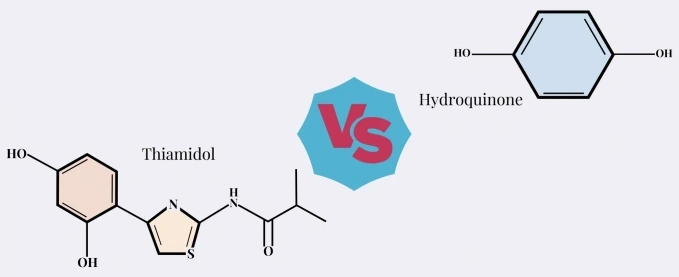
Thiamidol VS Hydroquinone
It and Hydroquinone are two active ingredients that whiten and reduce skin pigmentation. They differ significantly in their mechanisms, effects, safety, and use. Here's a detailed comparison of them:
1. Mechanism of action
Thiamidol reduces melanin production by inhibiting tyrosinase activity. Tyrosinase is a critical enzyme in the melanin synthesis process. It effectively reduces the formation of melanin by inhibiting tyrosinase, thereby reducing dark spots and hyperpigmentation.
Hydroquinone inhibits melanogenesis through multiple mechanisms, including inhibition of tyrosinase activity and destruction of melanocytes (melanin-producing cells). This cytotoxic effect can significantly reduce melanin production but may also have more potent side effects on the skin.
2. Clinical effect
Studies show that Thiamidol can quickly reduce dark spots and hyperpigmentation, such as within a few weeks. The effect is fast and long-lasting, making it suitable for long-term use. It is safer for long-term usage, less likely to cause negative effects, and effective on most skin types.
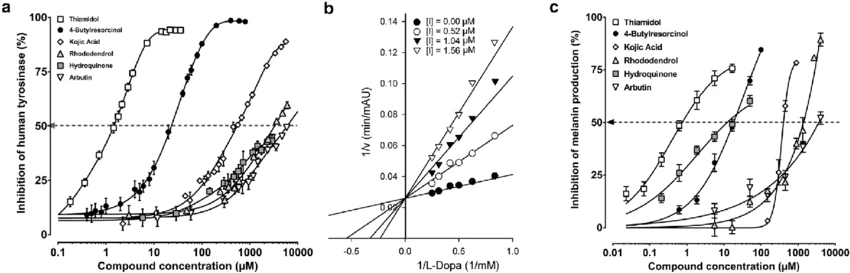
Hydroquinone is widely considered to be one of the most effective whitening ingredients, with results usually visible within a few weeks of use. However, hydroquinone may cause skin irritation, redness, and contact dermatitis due to its cytotoxic effects. Long-term use or use at high concentrations may cause vitiligo and severe other skin problems.
3. Safety and side effects
Thiamidol is generally well tolerated and has fewer side effects. A small number of users may experience mild skin irritation or allergic reactions. Due to its mild mechanism of action, it is suitable for long-term use without significant adverse effects on the skin.
Hydroquinone side effects include vitiligo, skin irritation, redness, and contact dermatitis. Long-term use may cause severe skin problems, especially at high concentrations. In some countries and regions, hydroquinone is strictly regulated and even banned from use in over-the-counter whitening products.
4. Usage suggestions
It is recommended that products containing Thiamidol be consumed daily, in the morning and evening, for best results and are typically used after cleansing and toning. Using it in conjunction with a sunscreen product is recommended to prevent new pigmentation from forming.
Due to its potential side effects, hydroquinone is usually recommended for short-term use, generally no more than a few months. For maximum safety and efficacy, hydroquinone should ideally be used under a dermatologist's supervision.
Thiamidol And Niacinamide Together
Using it and Niacinamide together in skincare can be a beneficial combination for addressing various skin concerns. Both ingredients offer unique benefits and can complement each other well. Here's how they work together:
Niacinamide (Vitamin B3):
Niacinamide offers a broad range of benefits for the skin. Inhibiting melanosome transfer from melanocytes to keratinocytes, lowering inflammation, controlling sebum production, and enhancing skin barrier function all contribute to lessening hyperpigmentation and enhancing skin tone. It is known for improving skin texture, reducing pores' appearance, and enhancing skin hydration. It also has anti-inflammatory properties, making it suitable for various skin types, including sensitive skin.
Benefits of using them together:

1. Enhanced Brightening: Both it and Niacinamide target different steps in the melanin production pathway. When combined, they can produce all-encompassing brightening results that successfully lessen the visibility of dark spots and encourage more uniform skin tone.
2. Synergistic Effects: Thiamidol and Niacinamide can work synergistically to enhance each other's effectiveness in addressing hyperpigmentation and uneven skin tone. They complement each other's mechanisms of action, resulting in improved overall efficacy.
3. Skin Barrier Support: Niacinamide helps strengthen the skin barrier, while Thiamidol targets melanin synthesis. Together, they can promote healthier and more resilient skin, better able to withstand environmental stressors, and maintain moisture balance.
If you want to know more about the Thiamidol manufacturer, you can contact Xi'an Sonwu. Click the email, and then you get high-quality Thiamidol.
Email: sales@sonwu.com