




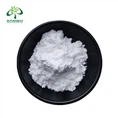
What Is the Use of Praziquantel
Praziquantel powder is a form of the medication known as praziquantel, which is a versatile and highly effective medication that finds wide applications in the treatment and control of parasitic infections caused by tapeworms and flukes.
1. Tapeworm Infections:
Praziquantel is considered the drug of choice for the treatment of tapeworm infections, which are caused by various species of tapeworms. It is highly effective against both intestinal and tissue-dwelling tapeworms. Common tapeworm infections that praziquantel can target include:
a. Taenia saginata (beef tapeworm): Praziquantel is highly effective in eliminating beef tapeworms. It works by paralyzing the worm's musculature, causing detachment from the intestinal wall, and subsequent expulsion from the body.
b. Taenia solium (pork tapeworm): Praziquantel is effective against both adult tapeworms and their larval stages, known as cysticerci. It helps in the eradication of adult tapeworms from the intestines and reduces the risk of neurocysticercosis, a serious condition characterized by the presence of cysticerci in the central nervous system.
c. Diphyllobothrium latum (fish tapeworm): Praziquantel is an effective treatment option for fish tapeworm infections. It disrupts the muscle tone of the parasite, leading to its detachment from the intestinal wall and expulsion from the body.
2. Schistosomiasis:
Praziquantel is the primary treatment for schistosomiasis, a parasitic disease caused by blood flukes of the genus Schistosoma. Schistosomiasis is a significant public health concern in several regions, particularly in sub-Saharan Africa. Praziquantel is effective in treating all forms of schistosomiasis, including urinary, intestinal, and hepatosplenic schistosomiasis. It works by damaging the parasite's tegument, leading to muscle paralysis and subsequent elimination from the body.
3. Liver Fluke Infections:
Praziquantel is also used to treat liver fluke infections caused by various species such as Clonorchis sinensis, Opisthorchis viverrini, and Fasciola hepatica. These parasites primarily affect the liver and biliary tract. Praziquantel's mechanism of action, which includes tegument damage and muscle paralysis, aids in eliminating liver flukes from the body.
4. Other Fluke Infections:
Praziquantel demonstrates efficacy in treating additional fluke infections, including those caused by species such as Paragonimus westermani (lung fluke) and Heterophyes heterophyes. Like in other parasitic infections, praziquantel disrupts the fluke's tegument, leading to paralysis and expulsion from the body.
5. Combination Therapy:
In certain cases, praziquantel may be used in combination with other medications to treat parasitic infections. Combination therapy can enhance effectiveness, especially when multiple parasite species are involved or in the case of severe or resistant infections.
Praziquantel Mechanism of Action
Praziquantel is an anthelmintic medication used to treat infections caused by certain parasitic worms. It is effective against a wide range of parasites, including tapeworms and flukes.
1. Disruption of Membrane Integrity:
Praziquantel works by disrupting the integrity of the parasite's cell membranes. The exact mechanism by which it does this is not fully understood, but it is believed that praziquantel affects the permeability of the cell membrane, leading to an influx of calcium ions. This influx disrupts the normal ion balance inside the parasite's cells, resulting in muscle contraction and paralysis.
2. Muscle Paralysis and Detachment:
Once praziquantel causes muscle contraction in the parasites, it leads to sustained tetanic contraction. This contraction ultimately results in paralysis of the worm's musculature, including its suckers or hooks, which it uses to attach to the host's tissues. The paralyzed worms lose their ability to maintain their attachment, making them detach from the host's tissues.
3. Exposure of Antigens:
Praziquantel also provokes exposure of antigens present on the parasite's surface. These antigens are recognized by the host's immune system, which initiates an immune response against the parasites. The exposure of the antigens can induce complement-mediated lysis, phagocytosis, and antibody-dependent cellular cytotoxicity (ADCC). This immune response contributes to the elimination of the parasites from the body.
4. Increased Membrane Permeability and Disintegration:
In addition to the disruption of cell membrane integrity, praziquantel also increases the permeability of the parasites' membranes to various substances. This increased permeability leads to the loss of important cellular components, such as glucose, amino acids, and ions. As a result, the parasite's cells undergo disintegration and are unable to maintain normal functions, leading to their eventual death.
5. Rapid Action and Wide Spectrum:
One of the notable advantages of praziquantel is its rapid action against a broad spectrum of parasitic worms. It is effective against both adult and larval stages of tapeworms (cestodes) and flukes (trematodes). Praziquantel is particularly effective against the most common human tapeworms, including those causing infections such as beef and pork tapeworms. It is also effective against various species of liver flukes, lung flukes, and intestinal flukes.
6. Metabolism and Elimination:
Praziquantel is rapidly absorbed from the gastrointestinal tract after oral administration. It undergoes extensive first-pass metabolism in the liver, primarily mediated by the cytochrome P450 system, which transforms it into several metabolites. The metabolites of praziquantel are mainly eliminated through urine, with only a small portion excreted in the feces. Due to its extensive metabolism and elimination, praziquantel has a relatively short half-life in the body.
7. Resistance:
Although praziquantel has been highly effective in treating parasitic worm infections, there have been some reports of resistance among certain parasite strains. However, the occurrence of resistance to praziquantel is still relatively rare compared to other antiparasitic drugs. The exact mechanisms of resistance are not fully understood but may involve alterations in the parasite's cell membrane composition or drug efflux pumps that reduce the intracellular concentration of praziquantel.
Praziquantel Dosage
Praziquantel is wide applications in veterinary medicine for the treatment and prevention of parasitic infections in animals. The dosage of praziquantel in veterinary medicine varies depending on the type of animal, the specific parasite being treated, and other individual factors.
1. Dogs:
Praziquantel is commonly used in dogs for the treatment of various types of parasitic infections. The dosage for praziquantel in dogs is typically based on body weight. The recommended dosage range is approximately 5 to 10 mg per kg of body weight. It is usually administered orally in the form of tablets or chewable tablets. The exact dosage and duration of treatment depend on the specific parasite being targeted and the severity of the infection. Vets may recommend a single dose or multiple doses, administered at regular intervals. For example, in the case of tapeworm infections, a single dose is often sufficient.
2. Cats:
Praziquantel is also used in cats for the treatment of various parasitic infections, including tapeworms. The dosage in cats is similar to that in dogs and is typically based on body weight. The recommended dosage range for praziquantel in cats is approximately 5 to 10 mg per kg of body weight. Like dogs, praziquantel is usually administered orally in the form of tablets. The specific dosage and duration of treatment are determined by the veterinarian based on the type of infection and the individual cat's condition.
3. Horses:
Praziquantel is frequently used in horses to target tapeworm infections. The dosage for praziquantel in horses is typically higher than in dogs and cats due to their larger size. The recommended dosage is usually around 2.5 to 5 mg per kg of body weight. Praziquantel can be administered to horses orally as a paste or as part of a combination deworming product. The frequency of treatment may vary depending on the horse's susceptibility to infection and the veterinarian's recommendations.
4. Other Animals:
Praziquantel can also be used in other animals, such as cattle, sheep, goats, and poultry, to treat specific parasite infections. The dosage for these animals can vary significantly and should be determined by a veterinarian specializing in livestock or poultry medicine. It is essential to follow the specific dosage instructions provided by the veterinarian to ensure effective treatment and minimize the risk of adverse effects.
If you are interested in our company's praziquantel, please contact Xi'an Sonwu Biotech Co. Ltd.
Email: sales@sonwu.com