




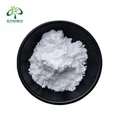
Etamsylate API Powder and tranexamic acid are both used to treat bleeding disorders. Both drugs promote hemostasis, or the act of stopping bleeding, in order to reduce hemorrhage. Reduce bleeding and stable blood clots is their ultimate purpose, despite the fact that they each work in a different way. Let's learn more about these two products right now.
What Is Ethamsylate
Ethamsylate, also marketed under the name Dicynene, is a prescription drug frequently used to treat various bleeding conditions. It is a member of the class of medications known as hemostatics and is well known for its ability to effectively control hemorrhages.
Ethamsylate's capacity to improve platelet function is one of its main modes of action. Small blood cells called platelets are essential for clotting. Ethamsylate promotes the development of blood clots and reduces excessive bleeding by boosting platelet adhesiveness and aggregation. It also enhances capillary resistance by thickening and decreasing the permeability of the vessel walls, which helps to further control bleeding.
In the treatment of numerous bleeding problems, including menorrhagia (excessive menstrual bleeding), epistaxis (nosebleeds), postoperative bleeding, and bleeding brought on by specific medical procedures, ethamsylate is widely used. It works especially well when the bleeding is brought on by weak capillaries or aberrant platelet activity.
Ethamsylate, a medication used to treat menorrhagia, controls the menstrual cycle and lowers blood loss to help lessen heavy monthly bleeding. It is frequently administered in conjunction with other drugs to offer thorough therapeutic treatment.
It operates locally by restricting blood arteries and promoting clot formation at the bleeding location when given for nosebleeds or postoperative bleeding. This targeted action speeds up wound healing, controls bleeding, and stops it from happening again.
It generally has little adverse effects and is well tolerated. But like every drug, it could have some negative side effects in some people. Gastrointestinal disorders include nausea, diarrhea, and stomach discomfort are typical adverse effects. Although they are uncommon, allergic reactions can happen. If any symptoms of an allergic reaction are noticed, you should seek medical help right once.

What Is Tranexamic Acid
Because of its hemostatic effects, tranexamic acid is a medicine that is frequently utilized. It is frequently administered by medical experts to prevent and cure excessive bleeding. It is in the antifibrinolytic medication class.
Tranexamic acid's capacity to prevent the dissolution of blood clots is its main mode of action. It functions by attaching to the receptors on plasminogen, an element found in blood that aids in clot disintegration. Tranexamic acid blocks the activation of plasminogen into plasmin, which is in charge of dissolving blood clots, via interacting with these receptors. This anti-fibrinolytic effect lessens bleeding and aids in stabilizing blood clots.
There are several medical diseases where excessive bleeding is a problem that tranexamic acid is used to treat. It is frequently used during operations to lower perioperative blood loss, especially during orthopedic and cardiac procedures. It can dramatically reduce the need for blood transfusions and improve patient outcomes by avoiding the dissolution of clots.
Tranexamic acid is a surgical anesthetic that is also used to treat menorrhagia, which is excessive menstrual bleeding. It helps to decrease bleeding and ease symptoms related to this illness by slowing the disintegration of clots inside the uterus. It is frequently administered for a brief period of time to treat menstrual pain or, in certain situations, for prolonged periods of time to treat chronic menorrhagia.
Additionally, tranexamic acid has shown effective in treating hereditary angioedema, a genetic condition characterized by recurrent episodes of swelling and pain in different body areas, as well as nosebleeds (epistaxis). It can assist with symptom relief by reducing bleeding and stabilizing blood vessels, which are symptoms of many illnesses.
Although tranexamic acid is generally well tolerated, some people may experience specific negative effects. Gastrointestinal disorders include nausea, diarrhea, and cramping are typical adverse effects. Rarely, allergic responses may happen, and if any symptoms of an allergic reaction are noticed, emergency medical assistance should be sought.

Is Ethamsylate Same As Tranexamic Acid
No, tranexamic acid and ethamsylate are not the same drug. While both medications are used to treat bleeding disorders, their pharmacological characteristics and modes of action differ.
The class of drugs known as hemostatics includes ethamsylate. It functions by enhancing platelet adhesion and aggregation, which aids in the creation of clots and stops bleeding. Additionally, it lessens the permeability of capillary walls and strengthens them. Menorrhagia, epistaxis, and postoperative bleeding are among the many disorders that are often treated with ethamsylate.
Tranexamic acid, on the other hand, is an antifibrinolytic drug. By attaching to plasminogen receptors and blocking plasmin from activating, its main mode of action is to inhibit the dissolution of blood clots. Tranexamic acid aids in reducing bleeding by stabilizing blood clots. To limit perioperative blood loss and lessen the need for blood transfusions, it is frequently utilized in surgical settings. Additionally, it works well for treating diseases including severe menstrual bleeding and nosebleeds.
Despite the fact that both drugs are used to stop bleeding, their modes of action and intended uses differ. While tranexamic acid concentrates on preventing the dissolution of blood clots, ethamsylate primarily targets platelet function and capillary resistance.
If you are interested in this product, feel free to contact Xi'an Sonwu.
E-mail: sales@sonwu.com