




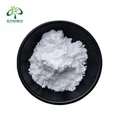
Ever wondered how a single enzyme could be the secret to both thicker hair and a healthier prostate? Could the choice between two powerful treatments really change the way your body balances its hormones? If you are also interested in dutasteride and would like to learn more about its effects or other ingredients, please feel free to contact Xi'an Sonwu.
What are the effects of dutasteride on the body
Dutasteride powder is a drug that blocks 5α-reductase, an enzyme that converts testosterone to dihydrotestosterone (DHT). Since DHT plays a crucial role in benign prostatic hyperplasia (BPH) and hair loss, lowering DHT levels has a variety of systemic effects.

Main Actions of Dutasteride
1. Lowering DHT Levels
This compound inhibits both type I and type II 5α-reductases, reducing circulating DHT levels by more than 90% in many patients. This is its primary mechanism of action.

2. Promoting Hair Protection and Regeneration
By lowering DHT levels, dutasteride can slow or prevent hair follicle atrophy associated with hair loss. Many users experience reduced hair loss, increased hair density, and in some cases, significant hair regrowth after several months of treatment.
3. Reducing Prostate Size
Dihydrotestosterone (DHT) causes prostate enlargement. Dutasteride can gradually shrink an enlarged prostate and improve urinary symptoms associated with benign prostatic hyperplasia (BPH), such as urinary frequency, weak urine stream, and difficulty urinating.
4. Altering Hormone Balance
While dutasteride lowers DHT levels, it does not eliminate testosterone. In fact, testosterone levels may rise slightly due to reduced DHT conversion. Most people will not notice any significant effects from this change.
Long-term studies have shown that dutasteride can maintain lower DHT levels and help maintain hair or improve prostate symptoms for years during continued treatment. However, if medication is discontinued, DHT levels gradually return to normal, and hair loss or benign prostatic hyperplasia may recur. Therefore, its primary function is to potently lower DHT, which helps treat male pattern baldness and benign prostatic hyperplasia. Its benefits typically include thicker hair and improved urinary function. For most healthy individuals, dutasteride, when used as directed, does not have significant effects on the kidneys, heart, or other major organs.
Does dutasteride damage the kidneys
For most people, dutasteride does not damage the kidneys. It is primarily metabolized in the liver, with only a very small amount excreted in the urine; therefore, the kidneys play a minimal role in clearing the drug from the body.
Clinical trials and post-marketing safety data have not identified nephrotoxicity as a common or expected side effect of dutasteride. Common side effects are more likely to involve sexual function (such as decreased libido, erectile dysfunction, or changes in ejaculation), while less common side effects include breast tenderness or enlargement.
Nevertheless, the following points should be noted: People with kidney disease usually do not need to adjust the dose of dutasteride because kidney impairment has minimal impact on drug clearance.
Rare kidney-related problems reported during treatment are usually related to other diseases, medications, or complications, rather than a direct toxic effect of dutasteride itself.
If you experience symptoms such as edema, significantly abnormal urination, hematuria, or unexplained fatigue while taking dutasteride, you should seek medical attention promptly, as these symptoms warrant further investigation regardless of the cause. Current evidence suggests that dutasteride is not considered nephrotoxic (does not damage the kidneys) and is generally safe for the kidneys when taken as a prescription.
What Is Dutasteride vs Finasteride
Dutasteride and finasteride are both drugs used to treat hair loss and benign prostatic hyperplasia (BPH), a condition in which the prostate gland enlarges and can cause difficulty urinating. While the two drugs are similar in many ways, there are some important differences that users should be aware of when considering treatment.
Mechanism
Both dutasteride and finasteride work by inhibiting the activity of an enzyme called 5-alpha-reductase, which converts testosterone to dihydrotestosterone (DHT). DHT is a hormone that plays a key role in hair loss and BPH, and by reducing the levels of DHT in the body, both of these medications can help slow or even reverse these conditions.
In terms of mechanism of action, the main difference between dutasteride and finasteride is the specificity of their inhibitory effects. Finasteride specifically inhibits type II 5-alpha-reductase, whereas dutasteride inhibits both types I and II. This means that dutasteride is a more potent 5-alpha-reductase inhibitor than finasteride, reducing DHT levels to a greater extent.

Effectiveness
While both dutasteride and finasteride have been shown to be effective in treating hair loss and BPH, research suggests that dutasteride may be more effective than finasteride in some cases.
A study published in the Journal of the American Academy of Dermatology compared the efficacy of dutasteride and finasteride in reducing DHT levels in the scalp. The study found that participants taking dutasteride experienced an average 51 percent reduction in scalp DHT levels, while those taking finasteride experienced an average 38 percent reduction in scalp DHT levels.
Well, no matter dutasteride or finasteride, Xi'an Sonwu guarantees to supply top purity products, which makes sure the anti hair loss effect is good enough. So if you need them, just contact Xi'an Sownu.
E-mail: sales@sonwu.com
References:https://www.sciencedirect.com/science/article/pii/S0190962213011717?utm_source=chatgpt.com