




The scientific community is investigating interactions between Oroxylin A and neural pathways, including dopamine signaling, GABAergic (gamma-aminobutyric acid) activity, and brain-derived neurotrophic factor (BDNF) expression.
Unlike traditional stimulants that primarily affect neurotransmitter activity, Oroxylin A has demonstrated a range of biological effects in preclinical studies. Notably, because some studies suggest it can influence dopamine reuptake, Oroxylin A has become a subject of significant interest in research related to attention-deficit/hyperactivity disorder (ADHD).
However, to understand its scientific potential, it is essential to distinguish between laboratory research findings and established clinical applications. What are the specific mechanisms of its action? How does it interact with signaling pathways in the brain? And what potential benefits have existing studies revealed?
How Does Oroxylin A Work
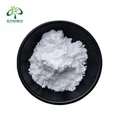
Oroxylin A powder is a naturally occurring flavonoid that may influence brain function through several biological pathways, particularly dopamine signaling, GABA-A receptor activity, and BDNF-related neuroplasticity.
Rather than acting through a single mechanism, Oroxylin A has demonstrated several pharmacological activities in preclinical research.
1. Regulating Dopamine Signaling
One of the most interesting mechanisms of Oroxylin A is its reported inhibition of dopamine reuptake.
Dopamine is a neurotransmitter involved in motivation, attention, learning, and reward processing.
The dopamine transporter (DAT) normally removes dopamine from the synaptic space and transports it back into neurons.
Experimental research suggests that Oroxylin A can inhibit dopamine uptake by affecting DAT-related activity.
This may increase dopamine availability in the synaptic space and influence dopaminergic neurotransmission.
This mechanism has attracted attention in ADHD-related research because dopamine signaling plays an important role in attention and behavioral regulation.
However, these findings do not establish Oroxylin A as an effective ADHD treatment.
2. Modulating GABA-A Receptor Activity
Oroxylin A has also been identified as an antagonist at the benzodiazepine-binding site of the GABA-A receptor.
GABA is the brain's primary inhibitory neurotransmitter. It helps regulate neuronal excitability and maintain a balance between excitation and inhibition.
Research suggests that Oroxylin A can interact with the benzodiazepine recognition site on GABA-A receptors, potentially modifying inhibitory neurotransmission.
This interaction may influence:
Neuronal excitability
Synaptic communication
Memory-related processes
Neurotransmitter signaling balance
Importantly, Oroxylin A's receptor activity should not be interpreted as equivalent to conventional benzodiazepine drugs.
PubMed+1
3. Activating BDNF-Related Neuroplasticity Pathways
Another important mechanism involves brain-derived neurotrophic factor (BDNF), a protein that supports neuronal survival, synaptic development, and learning-related processes.
Experimental research suggests that Oroxylin A may increase BDNF expression through two interconnected signaling mechanisms:
MAPK-CREB pathway: Oroxylin A activates ERK1/2 and CREB signaling, promoting BDNF production.
Adenosine A2A receptor pathway: Research indicates that Oroxylin A activates A2A-related signaling involving PI3K-Akt-GSK-3β, which also contributes to increased BDNF expression.
In neuronal culture studies, these mechanisms were associated with increased neurite extension and synapse formation.

How Does Oroxylin A Affect Dopamine Signaling
One of the most interesting mechanisms of Oroxylin A is its ability to inhibit dopamine reuptake. Dopamine is an important neurotransmitter involved in attention, motivation, learning, and reward processing.
Under normal conditions, the dopamine transporter (DAT) removes dopamine from the synaptic space and returns it to presynaptic neurons. This process helps regulate dopamine levels and maintain normal neurotransmission.
Research published in *Archives of Pharmacal Research* in 2013 found that Oroxylin A inhibited dopamine uptake in vitro, showing an effect similar to methylphenidate, a known dopamine transporter blocker. Interestingly, Oroxylin A did not significantly affect norepinephrine uptake under the tested conditions.
Researchers also investigated its effects in spontaneously hypertensive rats, an animal model commonly used in ADHD-related research. The results suggested that Oroxylin A improved certain attention- and impulsivity-related behaviors, potentially through enhanced dopamine neurotransmission.
These findings make Oroxylin A an interesting subject in research involving dopamine regulation and attention-related brain functions. However, its effects have not been established in human ADHD treatment, and further clinical studies are needed to determine its safety and effectiveness.

What Are the Potential Benefits of Oroxylin A for Brain Health
Oroxylin A has attracted attention in neuroscience research because of its potential effects on several processes related to brain function.
Dopamine Regulation: Research suggests that Oroxylin A may inhibit dopamine reuptake, making it an interesting compound for studying attention, motivation, and ADHD-related mechanisms.
Memory and Learning: Animal studies indicate that Oroxylin A may influence memory and learning through its interactions with GABA-A receptors and BDNF-related signaling pathways.
Neuroplasticity: Oroxylin A may promote BDNF expression through MAPK-CREB and adenosine A2A receptor-related pathways. These mechanisms are associated with neuronal development and synaptic connections.
Neuroprotection: Experimental research has also explored its potential effects on oxidative stress and inflammatory signaling, both of which are relevant to neuronal health.
Oroxylin A offers several interesting research directions involving dopamine signaling, memory, and neuronal protection. However, most current evidence remains preclinical, and further human studies are needed to confirm its potential benefits.

If you would like to inquire about oroxylin A powder pricing or other products, please contact Xi'an Sonwu for quality service.
Email: sales@sonwu.com
https://pubmed.ncbi.nlm.nih.gov/23371806/?utm_source=chatgpt.com