




Did you know? Bortezomib (PS-341/MG-341) is the first FDA-approved proteasome inhibitor, changing the treatment landscape for multiple myeloma and mantle cell lymphoma. It precisely kills diseased cells by disrupting the protein balance in specific types of diseased cells, but caution is still needed regarding neurological and hematological side effects during use.
What is Bortezomib
Bortezomib powder, also known as PS-341 or MG-341, is a targeted molecular drug used to treat specific types of cancer. It is primarily used to treat certain blood and bone marrow-related diseases, particularly multiple myeloma and mantle cell lymphoma (MCL). It was the first proteasome inhibitor approved by the U.S. Food and Drug Administration (FDA), marking a significant shift in the treatment of these diseases. MG-341 belongs to a class of drugs called proteasome inhibitors, which block proteasome activity. Proteasomes are intracellular enzyme complexes that break down proteins that are no longer needed or have been damaged. Bortezomib inhibits proteasomes, leading to the accumulation of these proteins and, in turn, cell death, especially in rapidly dividing diseased cells. Bortezomib can be supplied by Xi'an Sonwu if needed. Xi'an Sonwu looks forward to your reply.

How does bortezomib work in vivo
Its mechanism of action is through inhibition of the proteasome. The proteasome is a cellular complex that degrades unwanted or damaged proteins.
Core Mechanism of Action
Proteasome inhibition: This drug reversibly inhibits the chymotrypsin-like activity of the 26S proteasome, particularly the β5 subunit.
Protein accumulation: Blocking the proteasome leads to the accumulation of misfolded and regulatory proteins within the cell.
Cellular stress and apoptosis: This accumulation disrupts protein homeostasis, activates the endoplasmic reticulum (ER) stress response, and triggers programmed cell death (apoptosis).
Effects on specific types of diseased cells
Disease-related cells, especially multiple myeloma cells, are highly dependent on proteasome function because they produce large amounts of proteins (such as immunoglobulins). Therefore, proteasome inhibitors have selective toxicity to these cells.
Major downstream effects include:
Inhibition of the NF-κB signaling pathway: This drug prevents the degradation of IκB, thereby inhibiting NF-κB-mediated signaling pathways involved in cell survival and proliferation.
Cell cycle arrest: Accumulation of cell cycle regulators can halt cell cycle progression.

It disrupts the tumor cell microenvironment, reduces cytokine signaling, and impairs the interaction between tumor cells and supporting stromal cells.
It enhances apoptosis sensitivity, tilting the apoptosis balance towards pro-apoptotic proteins.
Clinical Significance: Primarily used to treat multiple myeloma and mantle cell lymphoma. It is particularly effective against plasma cell malignancies, as these tumors depend heavily on the proteasome. While diseased cells are more sensitive than normal cells, normal tissues may also be affected, leading to side effects such as peripheral neuropathy. Regarding resistance mechanisms, they may involve mutations in proteasome subunits, increased proteasome expression, or activation of alternative survival pathways. Therefore, this drug interferes with protein degradation, subjecting specific types of diseased cells to excessive toxic protein stress and shutting down key survival signals, ultimately leading to their death.
How quickly does bortezomib take effect
Bortezomib has a rapid onset of action, but the time to onset of its biological and clinical effects varies.
Immediate Pharmacological Action: Proteasome inhibition begins within hours of administration.
Rapid accumulation of misfolded proteins and stress signals occurs shortly after administration (in cells).
Early Clinical Response: Changes in laboratory indicators (e.g., reduced M protein, reduced free light chains) typically appear within 1-2 treatment cycles (approximately 2-4 weeks).
In some patients, measurable disease markers begin to decline after the first treatment cycle.
Symptom Improvement: Symptoms such as bone pain, fatigue, or anemia may improve within weeks, depending on disease burden and treatment response.
Optimal Efficacy: Optimal overall efficacy is usually assessed after 3-6 treatment cycles (approximately 2-4 months).
Therefore, bortezomib inhibits its target within hours; clinically significant efficacy typically appears within weeks, while complete efficacy assessment requires months.
What are the side effects of bortezomib
Like many chemotherapy drugs, bortezomib can cause a variety of adverse reactions. Each patient may experience these side effects to varying degrees. Below are some common and serious side effects associated with MG-341:
1. Fatigue: Feeling unusually tired or weak.
2. Digestive problems: Including nausea, vomiting, diarrhea, and constipation.
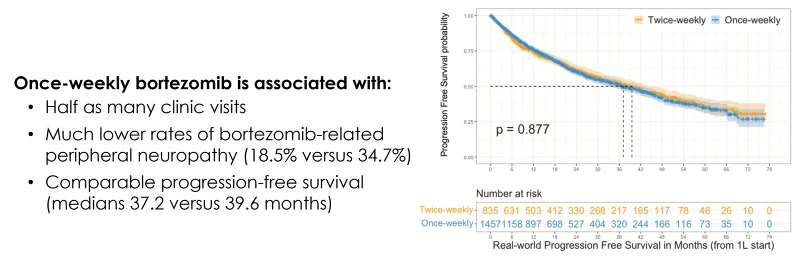
3. Peripheral neuropathy: Numbness, tingling, or pain in the hands and feet.
4. Thrombocytopenia: Low platelet count increases the risk of bleeding and bruising.
5. Anemia: Low red blood cell count leads to fatigue and weakness.
6. Neutropenia: Low white blood cell count increases the risk of infection.
7. Fever: Elevated body temperature, usually caused by infection or drug reaction.
8. Loss of appetite: Decreased appetite may lead to weight loss.
9. Rash: Skin irritation or rash.
Serious Side Effects
1. Cardiac problems: including heart failure and arrhythmias (irregular heartbeat)
2. Hepatotoxicity: Abnormal liver function tests may indicate liver damage.
3. Lung problems, such as interstitial lung disease, may cause difficulty breathing.
4. Severe neuropathy: Severe nerve damage can lead to intense pain and decreased mobility.
5. Hypotension: Hypotension may cause dizziness and fainting.
6. Serious infections: due to immunosuppression, including pneumonia and sepsis.
7. Gastrointestinal perforation: A rare but serious condition in which a hole appears in the gastrointestinal tract. Patients receiving bortezomib should be closely monitored by a medical team to manage side effects and adjust the treatment plan as needed. Patients should promptly report any new or worsening symptoms to their doctor.
If you would like to inquire about the price of bortezomib powder or other product information, please contact Xi'an Sonwu directly.
Email: sales@sonwu.com
Reference:https://www.altumsvadhaya.com/copy-of-synthetic-biology