




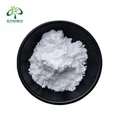
As interest in healthy aging and cellular health continues to grow, NAD+ metabolism has become an important area of scientific research. One ingredient receiving increasing attention is Beta Nicotinamide Mononucleotide (β-NMN), a naturally occurring molecule involved in the biosynthesis of nicotinamide adenine dinucleotide (NAD+). It is widely studied for its relationship with cellular energy production, mitochondrial activity, and age-related metabolic changes.
Beta NMN Powder is particularly relevant to the nutritional supplement and biotechnology industries because it provides a research ingredient associated with NAD+ production. However, understanding what β-NMN actually does, how it differs from conventional NMN descriptions, and what current research has established is essential for evaluating its scientific significance.
What Is Beta NMN and How Does It Work in the Human Body
Beta Nicotinamide Mononucleotide powder, commonly abbreviated as β-NMN, is a nucleotide derived from nicotinamide, a form of vitamin B3. It acts as an intermediate in the NAD+ salvage pathway, one of the major biological pathways responsible for maintaining cellular NAD+ levels.
NAD+ is a coenzyme present in virtually all living cells. It participates in hundreds of metabolic reactions and plays an essential role in converting nutrients into energy. However, NAD+ levels can change with age, metabolic conditions, and cellular stress, making its production and maintenance an important subject of ongoing research.
The biological importance of Beta NMN is closely connected to its conversion into NAD+. After entering the relevant cellular pathways, NMN is converted into NAD+ through an enzymatic reaction involving nicotinamide mononucleotide adenylyltransferase (NMNAT). This process helps maintain the NAD+ pool required for normal cellular activities.
Several biological processes depend on NAD+ availability:
Cellular energy production: NAD+ participates in glycolysis, the citric acid cycle, and oxidative phosphorylation, helping cells generate ATP.
Mitochondrial function: It supports metabolic reactions involved in mitochondrial energy production and cellular homeostasis.
DNA repair: NAD+ serves as a substrate for poly (ADP-ribose) polymerases (PARPs), enzymes involved in responding to DNA damage.
Sirtuin activity: NAD+-dependent sirtuins participate in cellular stress responses, metabolic regulation, and processes associated with aging.
An important distinction is the relationship between Beta NMN and NMN. NMN is the general abbreviation for nicotinamide mononucleotide, while β-NMN identifies its beta-anomeric form. The beta form is the one commonly investigated in NAD+ metabolism and supplementation research. Therefore, references to NMN and Beta NMN are closely related, although the specific molecular form matters when discussing ingredient identity and quality.

What Are the Potential Benefits of Beta NMN for Energy and Healthy Aging
The growing interest in Beta NMN comes primarily from research into NAD+ decline and its relationship with cellular aging. As NAD+ is involved in energy metabolism, DNA repair, and cellular signaling, researchers are investigating whether increasing NAD+ availability through its precursors may influence age-related biological changes.
Cellular energy and mitochondrial health
One major research direction concerns energy metabolism. NAD+ functions as an electron carrier in metabolic reactions, helping transfer electrons during the breakdown of carbohydrates, fats, and other nutrients. Maintaining NAD+ availability is therefore important for normal energy production.
NMN supplementation has been investigated as a way to increase NAD+ levels and explore its potential effects on mitochondrial function. This research is particularly relevant to tissues with high energy requirements, including skeletal muscle and the nervous system.

Healthy aging and cellular maintenance
Another important research area involves sirtuins and PARPs. These enzyme families depend on NAD+ to perform their biological functions. Sirtuins are associated with metabolic regulation and cellular stress responses, while PARPs participate in DNA damage repair.
Because both enzyme systems are connected to NAD+ metabolism, scientists are examining whether NMN-related NAD+ changes may influence cellular maintenance and age-associated physiological processes. However, increasing NAD+ levels does not automatically mean that aging can be reversed or that age-related diseases can be prevented.
Metabolic health and physical performance
Beta NMN has also attracted attention in research involving glucose metabolism, insulin sensitivity, and physical function. Animal studies have reported promising findings, but human evidence is more variable.
A 2024 randomized, double-blind, placebo-controlled study involving 60 older adults examined 250 mg of NMN daily for 12 weeks. The researchers reported increased blood NAD+ levels, alongside findings related to walking speed and sleep quality. These results provide useful information, although the relatively small study population means that further investigation is necessary.
More recently, a 24-week randomized clinical trial published in npj Aging in September 2026 examined 1,250 mg of NMN daily in healthy older adults. Supplementation significantly increased blood NAD+ concentrations, but did not produce significant improvements in the primary auditory-function endpoint or physical performance measures. This distinction is important: a measurable biochemical change does not necessarily translate into a meaningful improvement in overall health.
Overall, Beta NMN remains an interesting ingredient for research into NAD+ metabolism, cellular energy, and healthy aging. Its potential benefits should be interpreted according to the quality and limitations of available human evidence.
Is Beta NMN Safe, and What Should Be Considered When Evaluating Its Quality
Safety is an important consideration as interest in NMN-containing nutritional products increases. Current human studies generally suggest that short-term oral NMN supplementation is well tolerated in the populations and conditions investigated. However, available clinical data are not sufficient to establish every aspect of long-term safety.
In clinical research, reported adverse events have generally been limited, with no consistent pattern of serious treatment-related effects in several small trials. Nevertheless, individual responses may vary, and possible gastrointestinal discomfort or other mild symptoms should not be dismissed. Long-term use, higher exposure levels, and effects in people with underlying health conditions require additional investigation.
Consumers should not assume that a higher NMN amount automatically produces better results. For example, a product labeled NMN Beta 1000 mg indicates a stated ingredient quantity, not a clinically established optimal daily intake. Research doses differ depending on the study design, participant characteristics, and intervention period.

For ingredient evaluation, several technical factors are particularly relevant:
Molecular identity: Confirm that the material is specifically β-NMN rather than relying solely on a general NMN designation.
Purity: Analytical methods such as high-performance liquid chromatography (HPLC) can help determine NMN content and identify related impurities.
Stability: Moisture, temperature, and storage conditions should be considered because they may influence ingredient stability over time.
Heavy metal and microbial testing: Appropriate testing helps assess whether the material meets relevant raw material specifications.
Documentation: A Certificate of Analysis (COA), product specification, and supporting analytical data provide important information about ingredient identity and consistency.
These considerations are relevant to supplement manufacturers, ingredient distributors, and research organizations evaluating NMN materials for different applications.
Beta Nicotinamide Mononucleotide Powder is more than an emerging ingredient associated with healthy aging trends. It is a scientifically relevant NAD+ precursor with established biochemical importance and growing human research. Although clinical findings have demonstrated that NMN can increase NAD+ levels, its broader effects on aging, physical performance, and metabolic health remain under investigation. Understanding both its biological mechanisms and the current limitations of clinical evidence provides a more reliable foundation for evaluating its role in the evolving nutritional and biotechnology industries.
If your company is looking to source beta nicotinamide mononucleotide powder, you may contact Xi'an Sonwu to discuss product specifications, batch-specific Certificates of Analysis (COA), analytical testing parameters, and supply requirements.
Email: sales@sonwu.com
References:https://pharma-journal.com/nicotinamide-mononucleotid/
https://cmmmatagalpaorg.net/food/understanding-nad-the-molecule-driving-cellular-health-and-longevity-truth-products-llc/