




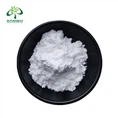
The body is a remarkable vehicle. When you find yourself struggling to breathe, what questions arise? This product is designed to overcome solubility barriers, such as those encountered in conditions like severe asthma, exacerbations of chronic obstructive pulmonary disease (COPD), and apnea in premature infants. In this study, we will focus on the mechanism of action, applications, and half-life of this important respiratory ally.

What Is Aminophylline
99 Aminophylline powder is a high-purity prescription powder primarily used to treat respiratory conditions, including asthma, chronic bronchitis, and emphysema. It is a compound composed of theophylline (the active drug) and ethylenediamine (which makes theophylline more water-soluble and more readily absorbed by the body).Its high purity means it is composed almost entirely of pure aminophylline, with minimal impurities. It belongs to the methylxanthine class of drugs. Its primary effect is to relax and dilate the airways in the lungs (a bronchodilator), making breathing easier.It directly relaxes the smooth muscles surrounding the airways. It also has mild anti-inflammatory properties, reducing lung swelling, and stimulates the part of the brain that controls breathing (the respiratory centre). If you suffer from respiratory conditions and are interested in aminophylline, please do not hesitate to contact Xi'an Sonwu.
What Is Aminophylline Used For
It is a medication used primarily to treat and control respiratory conditions, particularly those involving airway constriction (bronchospasm). Its primary uses are as follows:
It is a medication used mainly to treat and control respiratory conditions, particularly those involving airway constriction (bronchospasm). Its primary uses are as follows:
1. Asthma (Acute Severe Exacerbations)
In hospital settings, it is used for severe asthma attacks that are refractory to treatments such as inhaled beta-agonists (such as albuterol/salbutamol) and corticosteroids. It helps dilate the airways (bronchi), improving breathing.

2. Chronic Obstructive Pulmonary Disease (Acute Exacerbations)
It can also be used to treat severe exacerbations of COPD (including chronic bronchitis and emphysema) when symptoms are significantly worse and first-line treatments are inadequate.
3. Chronic Asthma or Chronic Obstructive Pulmonary Disease
It is typically used in selected cases where other treatment options are inadequate or unavailable.
4. Apnea of Prematurity
It is used to prevent and treat apnea (a condition where breathing stops) in premature infants. It stimulates the respiratory centre in the brain.
How Does Aminophylline Work
This product primarily works through its active ingredient, theophylline, which relaxes bronchial smooth muscle and improves breathing. It is mainly used for conditions such as asthma and chronic obstructive pulmonary disease (COPD). Its mechanisms of action are complex and multifaceted, but key effects include:
1. Phosphodiesterase (PDE) inhibition
Aminophylline inhibits multiple PDE enzymes, particularly PDE3 and PDE4. PDEs typically break down cyclic nucleotides, such as cyclic adenosine monophosphate (cAMP) and cyclic guanosine monophosphate (cGMP).
By inhibiting PDEs, Aminophylline increases intracellular levels of cAMP and cGMP. Increased levels of cAMP/cGMP lead to the relaxation of bronchial smooth muscle, resulting in bronchodilation.
2. Adenosine receptor antagonism
Aminophylline blocks adenosine A1 and A2 receptors, particularly the A2B receptor.
Adenosine can cause bronchoconstriction (particularly in asthmatics), release inflammatory mediators from mast cells, and enhance allergic reactions. Therefore, blocking adenosine receptors can prevent these effects, thereby helping to dilate the airways and reduce inflammation.
3. Stimulating the release of endogenous catecholamines can induce a mild release of epinephrine (adrenaline) from the adrenal medulla, contributing to bronchodilation.
4. Both increasing cAMP (from PDE inhibition) and adenosine receptor antagonism can inhibit the activity of various inflammatory cells (e.g., mast cells, eosinophils, T lymphocytes) and the release of inflammatory mediators (e.g., histamine, leukotrienes, TNF-α), thereby reducing airway inflammation.
5. Diaphragmatic stimulation can improve the contractility of the diaphragm (the primary respiratory muscle) and reduce fatigue. Improving respiratory muscle function is particularly important in patients with acute exacerbations or severe COPD.

What Are The Half-lives Of Aminophylline
The half-life of it is essentially the same as that of theophylline, as it is a salt complex of theophylline (the active ingredient) and ethylenediamine (which enhances solubility).
The half-life of theophylline varies significantly and is primarily influenced by individual factors. Here are some specifics:
1. Typical range for adults (non-smoking, otherwise healthy):
Approximately 5 to 10 hours, with a commonly cited average of roughly 8 hours.
2. Key factors that influence half-life (which can significantly shorten or lengthen it):
Children (1-9 years): Shorter half-life (average 3-4 hours).
Adolescents (10-16 years): Half-life similar to that of adults.
Elderly (>60 years, non-smokers): Longer half-life (average up to 12 hours or more). Smoking/tobacco/marijuana use: Significantly shortens half-life (induces liver enzymes).
Half-life in smokers may be as short as 3-5 hours. Liver function: Liver disease (cirrhosis, hepatitis, congestive heart failure affecting the liver) can prolong the half-life (possibly by up to 24 hours or more).
Heart failure: This condition may prolong the half-life of the medication. Obesity: May slightly prolong the drug's half-life. Fever: May prolong the half-life.
Diet: A high-protein/low-carbohydrate diet may shorten the half-life; a high-carbohydrate/low-protein diet may prolong it.
Because the half-life of aminophylline/theophylline varies significantly between individuals and even within the same individual under different circumstances, it can range from less than 3 hours in young smokers to over 24 hours in elderly patients with heart or liver failure. It is essential to consider individual patient factors and monitor serum concentrations.
For inquiries about 99 aminophylline powder pricing, interest in Xi'an Sonwu, or other product-related questions, please contact Xi'an Sonwu directly.
Email:sales@sonwu.com