




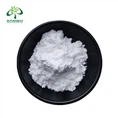
8-O-Methylurolithin A powder is a metabolite of urolithin A, which itself is a metabolite produced by the gut microbiota from ellagic acid and ellagitannins (compounds found in pomegranates, berries, and nuts). The possible health benefits of urolithins, such as urolithin A and its methylated variants, have been investigated. Of particular interest are the effects on the pathogenic cell population, anti-aging, and anti-inflammatory pathways.

Benefits Of 8-O-methylurolithin A
1. Anti-aging
Mitochondrial health:
Studies have shown that 8-O-methylurolithin A can enhance mitochondrial function by promoting mitophagy, the selective degradation of damaged mitochondria. Maintaining cellular energy and function is dependent on this process, particularly in aged cells that have combined mitochondrial failure. Improving mitochondrial health can lead to higher energy levels, improved muscle function, and overall vitality.
Extending lifespan:
According to certain research, metabolites like 8-O-methylurolithin A can replicate the effects of caloric restriction, a well-known strategy to promote longevity, in model organisms, hence extending lifespan and improving healthspan.
2. Anti-inflammatory
Reducing inflammation:
It has potent anti-inflammatory properties. It lowers the synthesis of pro-inflammatory cytokines such IL-6, IL-1β, and TNF-α. This helps reduce chronic inflammation associated with various diseases, including cardiovascular disease, diabetes, and autoimmune diseases.
Chronic Disease Management:
By reducing chronic inflammation, it may help manage and prevent arthritis, inflammatory bowel disease, and metabolic syndrome.

3. Anti-disease cells
Inhibition of lesion cell growth:
Studies have shown that it can inhibit the proliferation of lesion cells. In lesion cells, it causes cell cycle arrest and encourages apoptosis, or programmed cell death. This effect has been observed in various types of conditions, including colon cell disease, prostate cell disease, and breast cell disease.
Chemopreventive properties:
Due to its ability to modulate key signaling pathways involved in cell proliferation and survival, it may act as a chemopreventive agent, helping to reduce the risk of lesion cell development.
4. Neuroprotective effects
Prevention of neurodegeneration:
It possesses the capability to shield neurons against oxidative stress and inflammation, both of which are significant contributors to neurodegenerative illnesses including Parkinson's and Alzheimer's diseases. Reducing oxidative damage and inflammatory responses in the brain may help preserve cognitive function and slow the progression of these diseases.
Improved cognitive function:
Some studies suggest that it may improve cognitive function and memory by enhancing neuronal health and reducing neuroinflammation.

5. Antioxidant activity
Reduces oxidative stress:
As an antioxidant, it helps neutralize free radicals and reduce oxidative stress. Oxidative stress is essential in cell damage, aging, and the development of various chronic diseases.
Cell protection:
By protecting cells from oxidative damage, it helps maintain cell integrity and function, essential for overall health and disease prevention.
6. Cardiovascular health
Heart health:
Preliminary studies suggest that it may have cardiovascular health benefits. The accumulation of plaque in the arteries, or atherosclerosis, and other cardiovascular illnesses may be avoided by virtue of this substance's anti-inflammatory and antioxidant qualities.
Vascular function:
8-O-methylurolithin A has the potential to enhance endothelial function and blood flow in blood vessels by mitigating inflammation and oxidative stress, thereby contributing to cardiovascular well-being.

Mechanism Of Action Of 8-O-Methylurolithin A
1. Enhances Mitochondrial Autophagy
Mitochondrial Quality Control:
It promotes mitophagy, the selective degradation of damaged or dysfunctional mitochondria. This process helps maintain a healthy population of mitochondria within cells, essential for efficient energy production and cellular metabolism.
Autophagy Activation:
It activates autophagy-related pathways, essential for the clearance of damaged cellular components. Doing so helps improve cellular health and function, especially in aging cells where autophagic activity decreases typically.
2. Anti-inflammatory Effects
Inhibition of NF-κB Pathway:
It inhibits the NF-κB signaling pathway, a key regulator of inflammation. By obstructing this route, inflammation is decreased by lowering the synthesis of pro-inflammatory cytokines such TNF-α, IL-6, and IL-1β.
Inhibition of Pro-Inflammatory Enzymes:
It downregulates the activity of enzymes involved in inflammatory responses, such as COX-2 and iNOS. This further promotes its anti-inflammatory effects.

3. Anti-lesional cell mechanisms
Cell cycle arrest:
It induces cell cycle arrest in diseased cells, particularly in the G1 phase. This prevents cells from uncontrolled proliferation, which is a hallmark of the disease.
Induces apoptosis:
It promotes apoptosis (programmed cell death) in diseased cells by activating the intrinsic apoptotic pathway. This involves activating caspases and releasing cytochrome c from mitochondria, leading to cell death.
Inhibits diseased cell migration and invasion:
It lowers the propensity for diseased cells to spread by controlling the expression of matrix metalloproteinases (MMPs) and other associated proteins, which prevents the migration and invasion of sick cells.
4. Neuroprotective effects
Reducing oxidative stress:
It acts as an antioxidant, neutralizing reactive oxygen species (ROS) and reducing oxidative stress in neurons. This protects neuronal cells from oxidative damage, a significant contributor to neurodegenerative diseases.
Anti-inflammatory effects in the brain:
By reducing neuroinflammation, it helps prevent the inflammatory process that leads to neurodegeneration. This includes inhibiting microglial activation and reducing the production of neurotoxic inflammatory mediators.

5. Antioxidant activity
Free radical scavenging:
It decreases oxidative damage to cellular constituents like lipids, proteins, and DNA by directly scavenging free radicals. This helps maintain cellular integrity and function.
Enhances antioxidant enzyme activity:
It enhances the activity of endogenous antioxidant enzymes such as superoxide dismutase (SOD), catalase, and glutathione peroxidase.These enzymes are essential for detoxifying reactive oxygen species (ROS) and shielding cells from oxidative stress.
6. Cardiovascular protection
Improves endothelial function:
It enhances endothelial function by reducing oxidative stress and inflammation in blood vessels. This helps improve vascular health and blood flow.
Anti-atherosclerotic effect:
It inhibits the formation of atherosclerotic plaques by reducing the oxidation of low-density lipoprotein (LDL) cholesterol and preventing the adhesion of inflammatory cells to the endothelium. This helps prevent atherosclerosis and cardiovascular disease.
Contraindications Of 8-O-Methylurolithin A
Although the health benefits of 8-O-methylurolithin A (and its precursor, urolithin A) are generally accepted, there are certain precautions and possible contraindications to be aware of. Because research on this compound is still emerging, it is essential to use it cautiously, especially in specific populations.
1. Allergic Reactions

Sensitivity to ingredients: Individuals with known allergies to foods containing ellagitannins (e.g., pomegranates, berries, nuts) should use them cautiously. Although it is a metabolite, allergic reactions to the source food may indicate an underlying sensitivity.
2. Pregnancy and Breastfeeding
Limited Research: There is limited research on the safety of it during pregnancy and breastfeeding. Pregnant and nursing women are cautioned against taking supplements containing this substance until further data is gathered.
3. Past Medical History
Hormone-sensitive disorders: Because urolithins can affect hormone pathways, people with hormone-sensitive disorders should consult a healthcare provider before using it.
Kidney or liver disease: Since the liver and kidneys are involved in the compound's metabolism and excretion, anyone who suffer from these conditions should use this medication with caution. Consultation with a healthcare provider is recommended.
4. Drug Interactions
Drug Metabolism: It may affect the activity of certain enzymes involved in drug metabolism (e.g., cytochrome P450 enzymes). This may alter the effectiveness or toxicity of the drug. People taking prescription medications should consult their healthcare provider before using supplements containing this compound.

5. Gastrointestinal Issues
Digestive sensitivity: Some people may experience gastrointestinal discomfort such as bloating, gas, or diarrhea when consuming polyphenol-derived compounds. It is vital to monitor these symptoms and adjust intake accordingly.
6. Dosage and Supplement Quality
Appropriate Dosage: Because research on optimal dosing is ongoing, it is essential to follow the recommended dose on the supplement label and stay within the recommended amount. Overdosage may cause adverse effects.
Supplement Purity: Make sure any supplements you take come from reputable sources that provide high-quality, pure products free of contaminants.
While it promises various health benefits, it is essential to consider potential contraindications and consult a healthcare professional before use. This ensures it can be safely and effectively incorporated into an individual's health regimen.
If you want to know more about the 8 o methylurolithin a manufacturer, you can contact Xi'an Sonwu. Click the email to get a high-quality urolithin a 8-Methul ether powder.
Email: sales@sonwu.com