




The shelf life of NMN Bulk is a critical aspect that both suppliers and buyers need to understand thoroughly. As a supplier of NMN Bulk, I am well - versed in the factors that influence its shelf life and how to ensure its quality over time.
What is NMN Bulk?
NMN, or Nicotinamide Mononucleotide, is a molecule that has gained significant attention in the field of anti - aging research. It is a precursor to NAD+ (Nicotinamide Adenine Dinucleotide), a coenzyme that plays a crucial role in various biological processes, including energy metabolism, DNA repair, and cell signaling. NMN Bulk refers to NMN in its raw, concentrated form, typically sold in large quantities to manufacturers who use it to produce supplements or other consumer products.
Factors Affecting the Shelf Life of NMN Bulk
1. Purity of the Product
The purity of NMN Bulk is one of the most important factors affecting its shelf life. Higher purity NMN generally has a longer shelf life because there are fewer impurities that can react with the NMN molecule and cause degradation. Impurities can act as catalysts for chemical reactions, such as oxidation or hydrolysis, which can break down the NMN over time. For example, if the NMN Bulk contains trace amounts of heavy metals or other reactive substances, these can accelerate the degradation process.
2. Storage Conditions
Storage conditions play a vital role in determining the shelf life of NMN Bulk. NMN is sensitive to light, heat, and moisture. Exposure to direct sunlight can cause photodegradation of the NMN molecule, while high temperatures can increase the rate of chemical reactions that lead to degradation. Moisture can also be a problem, as it can cause the NMN to dissolve or react with water molecules, leading to hydrolysis. Therefore, it is recommended to store NMN Bulk in a cool, dry, and dark place. A temperature range of 2 - 8°C is often ideal for long - term storage.
3. Packaging
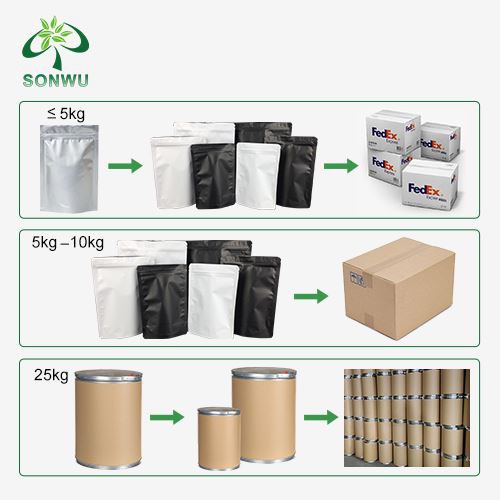
The type of packaging used for NMN Bulk can also impact its shelf life. Airtight and opaque containers are preferred to prevent the entry of oxygen, light, and moisture. For example, using high - quality plastic or glass containers with tight - fitting lids can help maintain the integrity of the NMN. Some suppliers also use nitrogen flushing during packaging to remove oxygen from the container, as oxygen can cause oxidation of the NMN.
Typical Shelf Life of NMN Bulk
Under optimal storage conditions (cool, dry, and dark), the shelf life of high - purity NMN Bulk is usually around 2 - 3 years. However, this can vary depending on the factors mentioned above. If the storage conditions are not ideal, the shelf life can be significantly reduced. For instance, if the NMN Bulk is stored at room temperature in a humid environment, its shelf life may be less than a year.
How to Determine if NMN Bulk has Expired
1. Visual Inspection
One of the simplest ways to check if NMN Bulk has expired is through visual inspection. If the powder has changed color, become clumpy, or has an unusual odor, it may be a sign of degradation. Pure NMN powder is typically white or off - white in color. Any significant deviation from this color could indicate that the product has started to break down.
2. Laboratory Testing
For a more accurate determination of whether NMN Bulk has expired, laboratory testing can be conducted. Tests such as high - performance liquid chromatography (HPLC) can be used to measure the purity and concentration of NMN in the sample. A decrease in the NMN concentration or the presence of degradation products can indicate that the product has expired.
Importance of Shelf Life for NMN Bulk
1. Quality Assurance
Understanding the shelf life of NMN Bulk is essential for quality assurance. As a supplier, it is our responsibility to ensure that the product we provide meets the highest quality standards. By knowing the shelf life and taking appropriate measures to maintain it, we can guarantee that our customers receive a high - quality product.
2. Customer Satisfaction
Customers who purchase NMN Bulk expect a product that is effective and safe. If the product has expired or is close to expiration, it may not provide the desired health benefits. This can lead to customer dissatisfaction and damage to our reputation as a supplier. Therefore, providing accurate information about the shelf life and ensuring proper storage and handling is crucial for maintaining customer trust.

3. Regulatory Compliance
In many countries, there are regulations regarding the expiration dates and storage of dietary supplements and raw materials. As a supplier of NMN Bulk, we need to comply with these regulations to avoid legal issues. By clearly stating the shelf life of our product and following proper storage and labeling procedures, we can ensure that we are operating within the legal framework.
Related Products and Their Shelf Lives
In addition to NMN Bulk, we also supply other products such as Dexibuprofen Powder, Vitamin K2 MK4 Powder, and BAM 15 Capsule. Each of these products has its own unique shelf life, which is also influenced by factors such as purity, storage conditions, and packaging.
Dexibuprofen Powder is a non - steroidal anti - inflammatory drug. Its shelf life is typically around 2 - 3 years under proper storage conditions. Vitamin K2 MK4 Powder, which is important for bone and heart health, also has a shelf life of about 2 - 3 years when stored correctly. BAM 15 Capsule, a product with potential applications in metabolism research, usually has a shelf life of 1 - 2 years, depending on the specific formulation and storage.
Conclusion
As a supplier of NMN Bulk, I understand the importance of the shelf life of our product. By ensuring high - quality production, proper packaging, and providing clear instructions on storage, we can extend the shelf life of NMN Bulk and provide our customers with a reliable and effective product. If you are interested in purchasing NMN Bulk or any of our other products, please feel free to contact us for more information and to discuss your specific requirements. We are committed to providing the best products and services to meet your needs.
References
- "Nicotinamide Mononucleotide: A Promising Molecule for Anti - Aging" - Journal of Aging Research
- "Storage and Shelf Life of Dietary Supplements" - Food and Drug Administration Guidelines
- "Chemical Degradation of Pharmaceutical Products" - Pharmaceutical Research Journal