


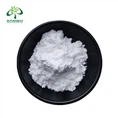


Xi'an Sonwu Biotech Co., Ltd. is one of the most professional manufacturers and suppliers of clotrimazole powder in China. We warmly welcome yuo to wholesale bulk clotrimazole powder for sale here from our factory. Quality products and reasonable price are available.
Clotrimazole
Clotrimazole Powder is primarily used for the treatment of fungal infections on the skin. It is commonly used to treat conditions such as athlete's foot (tinea pedis), jock itch (tinea cruris), and ringworm (tinea corporis). Clotrimazole is applied directly to the affected area to help eliminate the fungal infection and relieve associated symptoms such as itching, redness, and irritation. The powder form allows for easy application and helps to keep the affected area dry, which is beneficial in preventing the growth and spread of the fungus.

Clotrimazole is a broad-spectrum antifungal medication used primarily for topical treatment of various fungal infections. It belongs to the class of antifungal drugs known as azoles. Clotrimazole is the main component of clotrimazole cream. It works by breaking the protective barrier in the cell membrane of fungi, which prevents them from functioning properly. It does this by stopping the production of a substance called ergosterol, which is necessary for the growth and integrity of fungal cells. Without enough ergosterol, the cell membrane becomes weakened, and the fungal cell cannot grow or function properly. This entails that a higher dose leads to greater inhibition of fungal growth.
It works by restraining the growth and reproduction of fungi, thereby helping to eliminate the infection. Clotrimazole is available in various forms including creams, ointments, powders, and oral lozenges. It is important to follow the instructions from your healthcare professional or the product label when using clotrimazole.
Certificate Of Analysis
|
Analysis |
Specification |
Result |
|
Aρpearance |
White Crystalline Powder |
Conforms |
|
Odor |
Characteristic |
Conforms |
|
Assay |
≥99% |
99.36% |
|
Moisture content |
3.0%~4.5% |
3.1% |
|
Residue on Ignition |
≤0.2% |
0.03% |
|
Related Substances
|
Individual Impurities:≤0.5% |
0.05% |
|
Total Impurities:≤1.0% |
0.12% |
|
|
Residual Solvent
|
Dichlorometha ≤0.06% |
Conforms |
|
Aceton ≤0.5% |
<0.09% |
|
|
Ethyl aceta ≤0.5% |
Conforms |
|
|
Heavy Metal |
≤15ppm |
<3ppm |
|
Pb |
<2.5ppm |
Conforms |
|
As |
<2.5ppm |
0.06ppm |
|
Hg |
Negative |
Negative |
|
Conclusion |
Conforming to Enterprise Standard |
|
Where To Buy Clotrimazole
Xi'an Sonwu Biotech Co. Ltd. has rich experience in the global trade and health industry. Insisting on faith-based and quality first is our company's principle. We strictly control product quality, which means selection starts from raw materials. Besides, we handle every detail and reduce the cost to the maximum extent, then our customers can get cost-effective products. Based on these, customers have given much good feedback to our products. So you can look for Xi'an Sonwu Biotech Co. Ltd. when you want to buy Clotrimazole.
Xi'an Sonwu completely makes sure of the product's quality, so samples can be supplied. Here is the quantity.
|
Form |
Sample Amount |
The Minimum of Quantity |
|
Powder |
500g |
1Kg |
Customers's Good Comment

Indications
Clotrimazole is commonly used for the treatment of fungal infections, particularly infections caused by the Candida species. Here are some specific uses of clotrimazole:
1. Treatment of athlete's foot: Clotrimazole Powder is effective in treating fungal infections that occur between the toes and on the feet, commonly known as athlete's foot.

2. Treatment of jock itch: This antifungal powder can be used for jock itch, a fungal infection that affects the groin area.
3. Treatment of ringworm: Clotrimazole is often recommended for the treatment of ringworm infections, which can affect various parts of the body, such as the skin, scalp, feet, or groin.
4. Prevention and management of diaper rash: The powder form of clotrimazole can be used to prevent and manage diaper rash caused by fungal infections.
Clotrimazole works by restraining the growth of fungi and preventing them from multiplying. It is generally safe for most people to use, but we still need to follow the instructions or the product label. Please consult the doctor immediately if symptoms persist or worsen.
Precautions
It is important to take certain precautions to ensure safe and effective use when using Clotrimazole, Here are some precautions to keep in mind:
1. Allergy: If you have a known allergy or hypersensitivity to clotrimazole or any other antifungal medication, you should avoid its use. Communicate with the doctor if you have any allergic reactions, such as itching, swelling, dizziness, or difficulty breathing.
2. Avoid contact with eyes: Clotrimazole is for external use only. Take care to avoid contact with the eyes, mouth, nose, or any mucous membranes. Rinse thoroughly with water if accidental contact occurs.
3. Skin irritation: In some cases, clotrimazole may cause redness, itching, or a burning sensation at the application site. If these symptoms persist, please stop using and consult with a doctor.

4. Follow instructions: Always remember to follow the instructions or the product label carefully. Use the recommended dose, frequency, and duration of treatment. Don't exceed the recommended dosage.
5. Pregnancy and breast-feeding: If you are pregnant or breastfeeding, communicate with your healthcare professional before using clotrimazole. They can evaluate the potential risks and benefits and provide guidance on the safety of using clotrimazole during these periods.
6. Medical conditions: Inform your healthcare professional about any underlying medical conditions you have, such as liver disease or immune system disorders. They can determine if clotrimazole is suitable for you or if alternative treatments should be considered.
7. Other medications: Inform your healthcare professional about all the medications that you are taking. This includes any other topical medications being used. Some medications may interact with clotrimazole, and adjustments may be needed.

8. Children: Use caution when applying clotrimazole to children, especially infants. Follow the instructions and recommendations provided by a healthcare professional. Ensure that the medication is applied only to the affected area and kept out of reach of children.
If you have any concerns or questions about using clotrimazole, it is best to consult a healthcare professional for personalized advice based on your specific circumstances.
Drug Interactions
Clotrimazole may interact with certain medications, and it is important to be aware of these potential drug interactions. Here are some examples:
1. Warfarin: Clotrimazole may increase the effects of warfarin, a blood thinner, which can increase the risk of bleeding. Close monitoring of blood clotting time is necessary if these medications are used together.
2. Tacrolimus: Clotrimazole can increase the absorption of tacrolimus, an immunosuppressant medication used after organ transplantation. This can lead to increased levels of tacrolimus in the body, and slow down the metabolism of these drugs, which may result in adverse effects. Regular monitoring of tacrolimus levels is important in such cases.
3. Oral Hypoglycemic or Insulin: Clotrimazole can enhance the effects of oral hypoglycemic medications or insulin, leading to low blood sugar levels (hypoglycemia). Blood glucose levels should be carefully monitored, especially when starting or stopping clotrimazole treatment.
4. CYP3A4 Inhibitors: Clotrimazole is metabolized by the enzyme CYP3A4. Concurrent use of other medications that inhibit CYP3A4, such as ketoconazole, erythromycin, or ritonavir, can increase the levels of clotrimazole in the body. This may lead to an increased risk of side effects. Dose adjustments or alternative treatments may be necessary.
5. Corticosteroids: When used concomitantly with topical corticosteroids, clotrimazole may enhance the anti-inflammatory effects of corticosteroids, leading to an increased risk of skin thinning and other corticosteroid-related side effects. Monitoring for adverse effects is recommended.
6. When clotrimazole is used in combination with betamethasone, it can make the skin easy to get infection and increase the opportunities for microbial growth; the possible mechanism is through inhibiting local inflammation.
7. When being used in combination with nystatin, amphotericin B, and flucytosine, no synergistic antibacterial effect has been observed for inhibiting Candida albicans; moreover, it has an antagonism effect in pharmacodynamics when being used in combination with amphotericin B.
These are not all possible drug interactions. It is necessary to inform your healthcare professional about all the medications, including prescription, over-the-counter, and herbal products, that you are taking.
Fluconazole V.S Clotrimazole
Fluconazole can treat various fungal infections. It belongs to the class of triazole antifungals and works by inhibiting the growth and spread of fungi.

Fluconazole and clotrimazole are both antifungal medications, but they have some differences in terms of their usage, formulation, mechanism of action, and spectrum of activity. Here are some of the key differences between fluconazole and clotrimazole:
1. Usage: Fluconazole is commonly used for systemic fungal infections, including those affecting internal organs, while clotrimazole is primarily used for topical treatment of fungal infections on the skin, nails, and mucous membranes.
2. Formulation: Fluconazole is available in oral tablets, intravenous (IV) formulations, and occasionally as a topical cream or ointment. Clotrimazole is available in various topical forms, such as creams, powders, lotions, and solutions, as well as vaginal suppositories or creams for intravaginal use.
3. Mechanism of Action: Fluconazole belongs to the class of antifungal drugs known as triazoles. It inhibits the synthesis of ergosterol, a crucial component of fungal cell membranes, thereby disrupting the integrity of the fungal cells and stopping their growth. Clotrimazole is classified as an azole antifungal, and it acts by restraining the synthesis of ergosterol, leading to the disruption of fungal cell walls and ultimately killing or inhibiting the growth of fungi.
4. The Spectrum of Activity: Fluconazole has a broader spectrum of antifungal activity and is effective against a wide range of fungal species, including Candida and Cryptococcus. It can be used for systemic fungal infections. Clotrimazole, on the other hand, has a narrower spectrum and primarily targets dermatophytes (fungi that cause skin infections like athlete's foot and ringworm) as well as Candida species.
5. Route of Administration: Fluconazole is typically taken orally, either in tablet or liquid form, and is also available as an IV formulation. Clotrimazole is primarily applied topically to the affected area, although it can also be used vaginally for yeast infections.
It's important to note that the specific usage and proper dosage of these medications should be determined by a healthcare professional, as they may vary depending on the individual's condition and other factors.
Side Effects
Clotrimazole is generally well-tolerated, but like any medication, it can potentially cause side effects. Here are some common side effects associated with the use of clotrimazole:
1. Skin irritation: Some people may experience mild skin irritation at the application site. This can manifest as redness, itching, burning, or stinging.
2. Allergic reactions: Although rare, some individuals may develop an allergic reaction to clotrimazole. They may get rash, itching, swelling, dizziness, or difficulty breathing.
3. Dry skin: In some cases, clotrimazole may cause dryness or peeling of the skin.

4. Elevated liver enzymes: Rarely, clotrimazole may cause an increase in liver enzyme levels. This typically occurs with prolonged use or in individuals with pre-existing liver conditions. Regular monitoring of liver function may be recommended in such cases.
It's important to note that this list does not encompass all possible side effects. If you experience any unusual or severe symptoms while using clotrimazole, it is advisable to seek medical attention promptly. Please follow the instructions of the proper use and dosage. If you have any concerns or questions about side effects, consult with a healthcare professional for further guidance.
How To Use
To use clotrimazole properly, follow these general instructions:
1. Keep clean and dry: Before applying clotrimazole, wash and thoroughly dry the area where the medication will be applied. This helps to remove any dirt or moisture that may interfere with its effectiveness.
2. Apply a thin layer of clotrimazole cream or solution to the affected area: Use the clean fingers or a clean cotton to gently apply a thin layer of clotrimazole to the affected skin. Ensure to cover the entire affected area and a small portion of the surrounding healthy skin.
3. Rub it in gently: After applying the clotrimazole, gently massage or rub it into the skin until it is absorbed. Be careful not to apply excessive pressure that may cause irritation.
4. Wash your hands: Thoroughly wash your hands with soap and water after applying clotrimazole to avoid spreading it to other areas of your body or accidentally ingesting it.
5. Follow the recommended frequency and duration: The frequency of application and the duration of treatment change depending on the specific product and the type of infection being treated. Read and follow the instructions provided by your healthcare professional or included with the product carefully. Do not stop using the medication before completing the full course of treatment, even if symptoms improve.
6. Avoid contact with eyes or mucous membranes: Clotrimazole is for external use only. Avoid getting it in your eyes, nose, mouth, or other mucous membranes.
7. Continue using as directed: Even if the symptoms disappear before completing the treatment, continue using clotrimazole for the recommended duration to ensure the infection is fully resolved and to minimize the risk of recurrence.
Always follow the specific instructions . If you have any questions or concerns about proper usage, consult with a healthcare professional for further clarification.
Factory
1. Xi'an Sonwu Biotech Co., Ltd has its own factory, so it has adequate stock. Also, Xi'an Sonwu has a clean and tidy production department with advanced equipment. With the lead of Xi'an Sonwu, researchers are constantly developing new products to meet customers' needs.
2. Xi'an Sonwu Biotech Co., Ltd has advanced test equipment and professional testers, which all show that Xi'an Sonwu aims to supply accurate and effective data and good service.


Certificate

Package

Logistics Update

In addition to guaranteeing product quality, the other most vital thing is clients could receive the goods smoothly. So, Xi'an Sonwu supplies all kinds of couriers according to different needs.

Company's Profile
Xi'an Sonwu Biotech Co., Ltd is a professional Chinese manufacturer and products supplier. It was founded in 2012 and is located in the Hi-Tech Industrial Zone, Xi'an City, Shannxi Province, China. lt pays all attention to the development, research, and production of food additives, plants, extract, APl, and other ingredients of health care products. The company supplies five kinds of raw material products: Anti-hair loss Powders, Nootropic, API, Muscle Building products, and Plant Extract. Xi'an Sonwu sincerely believes that the premise of great cooperation is the best service and good quality. So, welcome your inquiry.
And if you want to know the Clotrimazole Powder price, please contact Xi'an Sonwu.
Email: sales@sonwu.com
Hot Tags: clotrimazole powder, China, suppliers, manufacturers, factory, wholesale, buy, price, bulk, pure, raw, supply, for sale, Tryptamine Powder, Agomelatine Powder, Palmitoylethanolamide Bulk, 5 HTP Powder, Nicotinic Acid Mononucleotide, NMN Bulk


