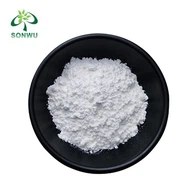


Xi'an Sonwu Biotech Co., Ltd. is one of the most professional manufacturers and suppliers of cytisine powder in China. We warmly welcome yuo to wholesale bulk cytisine powder for sale here from our factory. Quality products and reasonable price are available.
What Is Cytisine
Cytisine powder, Baptitoxine, or Sophorine, is a natural plant alkaloid that has gained significant attention in the medical and scientific communities for its pharmacological properties. Derived from the Cytisus laburnum plant, commonly known as the Golden Chain tree, Cytisine has been used for centuries in traditional medicine for its smoking cessation and cognitive enhancement effects.
Cytisine belongs to the class of compounds known as nicotinic acetylcholine receptor agonists. These compounds mimic the action of the neurotransmitter acetylcholine, binding to and activating specific receptors in the brain known as nicotinic acetylcholine receptors. These receptors are found in various regions of the brain and play a crucial role in regulating various physiological processes, including learning, memory, mood, and reward.
One of the most well-known and extensively studied effects of Cytisine is its ability to aid in tobacco cessation. Studies have shown that Cytisine can help reduce nicotine cravings and withdrawal symptoms by binding to the same receptors in the brain that nicotine does. By activating these receptors, Cytisine can produce similar effects to nicotine, easing the transition from smoking to non-smoking and facilitating smoking cessation.
In addition to its smoking cessation properties, Cytisine has shown promise as a cognitive enhancer. Research has found that Cytisine can improve memory and attention span, potentially valuable for treating conditions such as Alzheimer's disease and attention deficit hyperactivity disorder (ADHD).
And clinical studies have demonstrated the safety and efficacy of Cytisine in smoking cessation programs.
The purity of our company's cytisine capsule supplement can reach 98%. Also, our prices are very competitive compared to other companies. If you want to know more, please contact Xi'an Sonwu Biotech Co. Ltd.

Cytisine Where to Buy
Xi'an Sonwu has rich experience in the global trade and health industry. Reputation-based quality first is the principle of Xi' an Songwu Company. Xi'an Sonwu strictly controls product quality, so the selection of materials starts with raw materials. Also, we handle every detail and minimize costs so our clients can get the most cost-effective products. Based on these, customers have given high praise to our products. If you need cytisine capsule, find Xi’an Sonwu Biotech Co. Ltd.
We ultimately make sure of the product’s quality so that samples can be supplied. Here is the quantity.
|
Form |
Sample Amount |
The Minimum of Quantity |
|
Powder |
50g |
100g |
|
Bulk Capsules |
200 capsules |
200 capsules |
|
Bottled Capsules |
5 bottles |
5 bottles |
Customers' Good Comment

OEM Service
Xi'an Sonwu not only can supply high-quality cytisine powder, but also supply cytisine capsules.
So any customers could customize capsules they want. And items below can be supplied.
Customized capsules shells (size, color, material)
Customized bottles(size, color, material, style)
Customized packaging(vacuum foil packaging, box, drum)
Customized label(paint film, matte film, optical mask)
What Is the Source of Cytisine
Cytisine, also known as baptitoxine or sophorine, is a naturally occurring compound found in several plants. It belongs to the family of compounds known as alkaloids. The primary natural sources of cytisine are plants belonging to the Fabaceae (Leguminosae) family, specifically the seeds of certain plant species.
1. Laburnum: The Laburnum genus, including Laburnum anagyroides and Laburnum alpinum, contains cytisine in its seeds and other parts. These plants are characterized by their yellow pea-like flowers and are native to Europe.
2. Sophora: Several species of the Sophora genus, such as Sophora japonica and Sophora alopecuroides, contain cytisine. Sophora japonica, also known as the Japanese pagoda tree, is commonly found in East Asia and is known for its medicinal properties.
3. Thermopsis: The Thermopsis genus comprises several species, including Thermopsis lanceolata and Thermopsis barbata. These plants, commonly known as golden banners, are native to North America and contain cytisine in their roots and aerial parts.
4. Genista: The Genista genus, including Genista tinctoria and Genista germanica, contains cytisine in varying concentrations. These plants are part of the Fabaceae family and are commonly referred to as dyers' greenweed or dyers' broom.
5. Baptisia: Baptisia tinctoria, commonly known as wild indigo, is a herbaceous perennial plant that contains cytisine. It is native to North America and has a long history of traditional herbal use.
What Is the Mode of Action of Cytisine
The mode of action of cytisine, a smoking cessation aid, is primarily attributed to its interaction with nicotinic acetylcholine receptors (nAChRs) in the brain. Cytisine is a partial agonist of nAChRs, meaning it binds to these receptors and partially activates them. This interaction produces effects similar to nicotine, leading to its potential in reducing nicotine cravings and withdrawal symptoms.
Nicotinic acetylcholine receptors are a type of receptor found in the central nervous system, peripheral nervous system, and neuromuscular junctions. These receptors play crucial roles in neurotransmission and are involved in various functions, including cognition, reward, pleasure, and addiction.
When a person smokes, nicotine binds to nicotinic acetylcholine receptors in the brain, particularly in the mesolimbic pathway. This pathway is strongly associated with the reward system and plays a key role in the reinforcing effects of nicotine and addiction.
Cytisine acts on these same nicotinic receptors but with a milder effect than nicotine. It binds to the receptors and partially activates them, releasing neurotransmitters such as dopamine. Dopamine is a neurotransmitter involved in feelings of pleasure and reward, and its release contributes to the addictive properties of nicotine.
By partially activating nicotinic receptors, cytisine produces a mild nicotine-like effect. This helps reduce nicotine cravings and withdrawal symptoms, making it easier for individuals to quit smoking. Additionally, cytisine's partial agonist activity can also act as a deterrent, as smoking cigarettes while taking cytisine would not produce the same intensified nicotine effect due to the partially activated receptor.
The mode of action of cytisine is partially similar to that of other smoking cessation medications, such as varenicline (Champix). However, while varenicline is a full agonist of nAChRs, cytisine is a partial agonist. This means cytisine has a milder effect on the receptors and a lower potential for dependence than nicotine or varenicline.

What Are the Ingredients in Cytisine
Cytisine is a natural alkaloid that is primarily derived from the seeds of the Laburnum (Laburnum spp.), Sophora (Sophora spp.), and Thermopsis (Thermopsis spp.) plants. While cytisine is the active compound, several other constituents and components are present in these plants. Here are some of the main components and ingredients found in cytisine:
1. Cytisine: Cytisine is the key active alkaloid found in these plants. It is chemically classified as a pyridine-like compound and is structurally similar to nicotine. Cytisine is the primary pharmacologically active ingredient that interacts with nicotine receptors in the brain, resulting in its potential smoking cessation properties.
2. Alkaloids: Besides cytisine, these plants contain other alkaloids, which are naturally occurring nitrogen-containing compounds. Alkaloids found in Laburnum, Sophora, and Thermopsis plants can include anagyrine, lupanine, sparteine, and cytisidine. These alkaloids can have varying effects and properties.
3. Flavonoids: Flavonoids are naturally occurring plant pigments known for their antioxidant properties. Some flavonoids identified in these plants include genistein, daidzein, sophoricoside, and formononetin. Flavonoids are often associated with various health benefits and may contribute to cytisine-containing plants' overall properties and effects.
4. Tannins: Tannins are polyphenolic compounds found in various plant species. They have astringent properties and are involved in plant defense mechanisms. Tannins have been detected in different parts of these cytisine-containing plants, including the seeds, leaves, and roots.
5. Glycosides: Glycosides are compounds in which a sugar molecule is attached to another non-sugar molecule. Some examples of glycosides found in these plants include genistin, sophorose, and robinin. Glycosides can have diverse biological activities and contribute to these plants' overall chemistry.
6. Other compounds: Besides those mentioned above, these cytisine-containing plants may contain other components like carbohydrates, lipids, minerals, vitamins, and organic acids. The exact composition of these plants can vary depending on factors such as geographic location, plant species, and cultivation conditions.
Cytisine Side Effects
Common side effects associated with cytisine use include:
1. Gastrointestinal Symptoms: The most commonly reported side effects of cytisine are gastrointestinal. These may include nausea, vomiting, and abdominal pain. These symptoms are usually mild and tend to resolve on their own over time. Taking cytisine with food or adjusting the dosage may help alleviate these symptoms.
2. Headache and Dizziness: Some people who use cytisine may also develop headache and dizziness. These negative effects are often minor and transient. It is advised to refrain from mentally demanding activities until the symptoms pass. Maintaining adequate hydration and rest may help to lessen or eliminate these symptoms.
3. Insomnia: Cytisine has been associated with reports of insomnia or sleep difficulties. People may have trouble falling asleep or have irregular sleep habits. Having a regular sleep schedule and establishing a soothing nighttime ritual are examples of good sleep hygiene that can help control these negative effects.

4. Changes in Taste Perception: Cytisine may cause alterations in taste perception, resulting in unusual or unpleasant tastes. This can affect the enjoyment of food and beverages. Maintaining a balanced diet and trying different flavors or textures may mitigate these changes in taste.
5. Weariness: While using cytisine, some people may have sensations of weariness or increased tiredness. As the body becomes used to the drug, this adverse effect normally goes away. To control fatigue, get enough sleep and lead a healthy lifestyle.
6. Allergic Reactions: Although rare, allergic reactions to cytisine can occur. Signs of an allergic reaction may include hives, itching, swelling (particularly of the face, lips, tongue, or throat), difficulty breathing or swallowing, and a rash. If these symptoms develop, immediate medical attention is necessary.
7. Severe Mood Changes or Behavior: In rare instances, cytisine use may cause severe mood changes, including depression, agitation, irritability, or aggression. If these symptoms become severe or unmanageable, it is important to seek medical advice promptly.
8. Effects on the Cardiovascular System: Cytisine may have effects on the cardiovascular system, such as raising blood pressure or heart rate. Cardiovascular patients who already have issues or those who are at risk should be closely watched while taking cytisine. If you have any worries about your cardiovascular health, you must speak with a doctor before starting cytisine.
Factory
Xi'an Sonwu is located in a beautiful natural environment, covering an area of 10,000 square meters. The factory has advanced production equipment, and the technical team is well-equipped, clean, and tidy, with sufficient stock. Under the leadership of the company, researchers insist on developing new products. The following is the testing environment of our laboratory, advanced testing equipment, and professional testers, with a strict attitude to providing valuable data for our products and providing our customers with a quality experience.

Certificate

Packaging

Recent Logistics Record

In addition to guaranteeing product quality, the other most vital thing is clients can receive the goods smoothly. So, Xi'an Sonwu supplies all kinds of couriers according to different needs.


FAQ
1. How to inquiry?
You can contact us by email, telephone number, or social media.
2. How to guarantee the quality of products?
Each batch needs to be tested so we can supply COA for customers. Additionally, our products pass the test: HPLC, UV, GC, TLC, etc. And we also cooperate with third parties, like, SGS.
3. How to pack and store the product?
Pack: Vacuum sealed foil packaging & Sealed export grade drum or pack according to customers' need
Storage: For a short time, you can keep it in a dry and cool place and make it avoid sunlight.
If you are interested in our company's cytisine powder, please contact Xi'an Sonwu Biotech Co. Ltd.
Email: sales@sonwu.com
Hot Tags: cytisine powder, China, suppliers, manufacturers, factory, wholesale, buy, price, bulk, pure, raw, supply, for sale, Geniposide Powder, Aloe emodin Powder, Picropodophyllotoxin Powder, octacosanol powder, Turkesterone Powder, epimedium extract powder