






In recent years, the concept of "leaky gut" has moved from fringe discussion to mainstream scientific research, attracting widespread attention from immunologists, gastroenterologists, and infectious disease experts. At the heart of this research lies the intestinal barrier-a complex and dynamic system that plays a crucial role in maintaining human health. Recent research shows that targeting the mechanisms behind intestinal permeability can not only improve digestive disorders such as celiac disease but also enhance the body's defenses against viral infections.
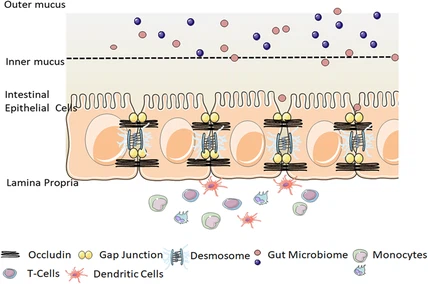
Understanding the Intestinal Barrier
The intestinal barrier is composed of tight-junction epithelial cells that line the digestive tract. These cells are linked together by structures called tight junctions, which regulate the flow of substances from the gut into the bloodstream. Under normal circumstances, this barrier allows nutrients to be absorbed while preventing harmful pathogens, toxins, and undigested particles from entering the systemic circulation.
However, when these tight junctions are disrupted-a condition commonly referred to as increased intestinal permeability or "leaky gut"-the intestinal barrier loses its selectivity. This triggers immune responses, inflammation, and a range of health problems. Researchers have linked this dysfunction to a variety of diseases, including autoimmune diseases, metabolic disorders, and gastrointestinal disorders. In this process, a protein called zonulin plays a crucial role, regulating the opening and closing of tight junctions. Elevated zonulin levels are associated with increased intestinal permeability, making it an important target for therapeutic interventions.
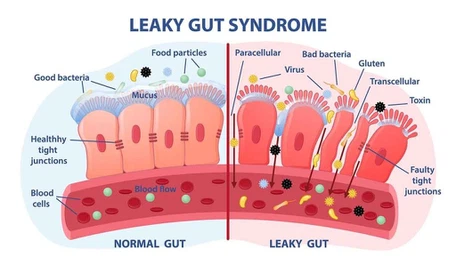
A New Approach to Gut Health
Recent scientific research has focused on developing compounds that can modulate zonulin activity and restore the integrity of the intestinal barrier. These approaches aim to reduce the uncontrolled entry of harmful substances into the bloodstream by stabilizing tight junctions.
Current research has shown that an orally bioavailable peptide derived from a natural amino acid sequence can effectively regulate tight junction function. This peptide works by antagonizing the intestinal permeability protein Larazotide acetate, preventing the intestinal barrier from over-opening and thus maintaining its protective function.
Preclinical and laboratory studies have shown that this approach can significantly reduce intestinal permeability. By strengthening the intestinal barrier, it may help alleviate symptoms associated with diseases such as celiac disease, which causes nutrient malabsorption due to intestinal damage.
Effects on Celiac Disease
Celiac disease is a chronic autoimmune disease triggered by gluten intake. In patients, the immune system responds abnormally, leading to inflammation and damage to the small intestine. This damage impairs the body's ability to absorb essential nutrients, leading to symptoms such as fatigue, weight loss, and gastrointestinal discomfort.
Traditionally, treatment for celiac disease has relied primarily on strict dietary control, especially avoiding gluten. However, adhering strictly to a gluten-free diet is not easy, and accidental exposure to gluten is not uncommon.
Emerging gut barrier-targeting therapies offer a complementary strategy. By reducing intestinal permeability, this therapy may help limit the immune system's access to gluten fragments, thereby reducing the severity of the inflammatory response. Early studies have shown encouraging results, indicating improved gut function and symptom relief.
Antiviral Potential
Perhaps even more intriguing is the growing evidence that strengthening the gut barrier may play a role in antiviral defense. The gut is not only a digestive organ but also a crucial component of the immune system. In fact, a significant portion of the body's immune cells reside in the gastrointestinal tract.
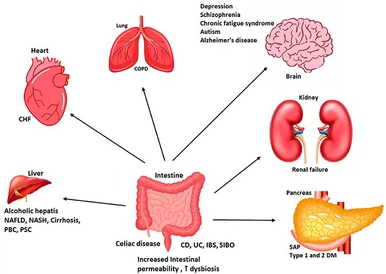
When the gut barrier is impaired, viruses and other pathogens can more easily enter the bloodstream, increasing the risk of systemic infection. Researchers believe that restoring the integrity of the gut barrier may reduce viral invasion and replication.
Laboratory studies have explored the antiviral properties of peptides targeting intestinal permeability proteins, such as Larazotide acetate, particularly against varicella-zoster virus (VZV), the pathogen that causes chickenpox and shingles. Experimental results showed that these peptides possess measurable inhibitory activity, and related studies reported effective concentrations indicating significant antiviral activity.
While these findings are still in their early stages, they foreshadow broader applications of intestinal barrier modulation-not only in digestive health but also in the prevention and treatment of infectious diseases.
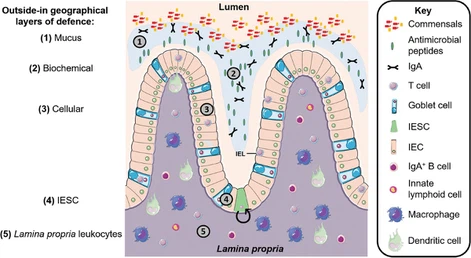
An Evolving Research Field
The idea that gut health is closely linked to overall health is not new, but advances in molecular biology and immunology are making the mechanisms behind this connection increasingly clear. Targeting gut permeability represents a shift from merely controlling symptoms to addressing the root causes.
Scientists are currently investigating how gut barrier integrity affects systemic inflammation, immune regulation, and even neurological function. For example, the gut-brain axis highlights how changes in gut permeability can impact mental health and cognitive abilities.
As research progresses, therapies that modulate tight junctions and incretin activity promise to become an important part of this evolving field.
Challenges and Future Directions
Despite encouraging data, several challenges remain. Much of the current evidence comes from laboratory studies and early-stage clinical trials, which require larger-scale, longer-term trials to validate their safety and efficacy across different populations.
Furthermore, the complexity of the gut environment-influenced by factors such as diet, microbiome, genetics, and lifestyle-means that no single solution is likely to address all aspects of gut health. Future treatments may require a combination of dietary interventions, probiotics, and personalized medicine approaches. Regulatory considerations will also influence the speed at which these therapies become available. As with any emerging medical innovation, rigorous evaluation is crucial to ensuring its effectiveness and safety.
The growing focus on intestinal permeability marks a significant shift in scientists' research into human health. By targeting the potential mechanisms of the intestinal barrier, researchers are opening new avenues for treating a range of diseases, from celiac disease to viral infections. The development of the larazotide acetate regulatory peptide represents a promising advance, offering a new approach to restoring intestinal integrity and enhancing immune protection. While more research is needed, the potential impact of these findings is enormous.
As our understanding of the gut deepens, one thing becomes increasingly clear: maintaining a strong intestinal barrier may be one of the most effective strategies for improving overall health and enhancing disease resistance.