




Three Facts About Skin Aging
1. Collagen production gradually decreases with age. Starting in your mid-20s, the skin produces about 1% less collagen each year, leading to thinner skin, decreased elasticity, and wrinkles.
2. Skin cell renewal slows down. As we age, new skin cells replace old ones at a slower rate, resulting in duller, more uneven skin texture and slower wound healing.
3. The skin barrier weakens over time. Aging reduces the lipid and ceramide content of the skin's surface, making it more susceptible to dryness, irritation, and environmental damage.
Causes of Skin Aging
Scientists are revealing the cellular changes behind wrinkles, dryness, and loss of elasticity. Wrinkles, sagging skin, dryness, and uneven skin tone are often considered inevitable signs of aging. While skin aging has long been thought to be related to time and genetic factors, scientists now know that the process is far more complex. Beneath the skin's surface, aging reflects a series of biological changes involving cells, proteins, metabolism, and environmental stressors. Recent research is revealing the mechanisms and causes of skin aging-and, more importantly, how to slow it down or even partially reverse it.
Skin: More Than Just a Protective Film
Skin is the largest organ in the human body, acting as a barrier against physical damage, pathogens, ultraviolet (UV) radiation, and moisture loss. Skin consists of three main layers: the epidermis (outer layer), the dermis (middle layer), and the subcutaneous tissue (deepest layer). Each layer plays a unique role in maintaining the skin's strength, elasticity, and hydration. With age, all three layers undergo structural and functional changes. These changes are gradual, often imperceptible at first, but accumulate over decades, eventually becoming visible in the mirror.

Collagen and Elastin: The Structural Pillars of Skin
One of the main factors contributing to visible skin aging is the reduction of collagen and elastin. Collagen gives skin strength and firmness, while elastin allows it to stretch and return to its original shape.
Scientific research shows that collagen production begins to decline in early adulthood. At the same time, existing collagen fibers break and become disorganized. Elastin fibers also degrade, losing their ability to maintain skin elasticity. This combination leads to fine lines, deep wrinkles, and sagging skin.
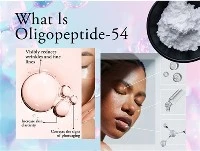
Environmental factors accelerate this breakdown. Ultraviolet radiation in sunlight activates enzymes called matrix metalloproteinases (MMPs), which break down collagen. This process, known as photoaging, is a major cause of premature skin aging.

Slower Cell Renewal and Dull Skin
Young skin renews itself efficiently. Dead skin cells are shed regularly and are replaced by fresh, healthy cells underneath. As we age, this renewal process slows significantly.
Therefore, dead skin cells accumulate on the skin's surface, leading to rough skin texture and a dull complexion. A slower renewal rate also means that damage (such as uneven pigmentation or minor injuries) takes longer to repair.
Researchers have found that aging skin cells also experience reduced energy production and impaired communication with neighboring cells. These changes affect the skin's response to stress, inflammation, and healing.
Damaged Skin Barrier
Another sign of skin aging is a damaged skin barrier. The outermost layer of the epidermis relies on lipids (such as ceramides, cholesterol, and fatty acids) to lock in moisture and block harmful substances.
As we age, lipid production decreases. This makes it harder for the skin to retain moisture, leading to increased dryness and sensitivity. A damaged barrier also allows pollutants, allergens, and microorganisms to penetrate more easily, increasing the risk of irritation and inflammation.
Chronic low-grade inflammation, sometimes called "inflammatory aging," further exacerbates skin aging. Over time, this persistent inflammatory state accelerates cellular aging and tissue damage.

Oxidative Stress and Cellular Damage
At the cellular level, aging skin is heavily affected by oxidative stress. Free radicals-unstable molecules produced by UV radiation, pollution, and normal metabolism-damage DNA, proteins, and cell membranes.
Young skin possesses a strong antioxidant defense, but this defense gradually weakens with age. As oxidative damage accumulates, skin cells lose their optimal function. Mitochondria-the energy-producing structures within cells-become less efficient, further impairing the skin's repair capabilities.
Recent studies have shown that oxidative stress not only directly damages the skin but also alters gene expression, effectively "reprogramming" skin cells into an aging state.

Hormones and Skin Aging
Hormonal changes also play a crucial role, especially in women. Estrogen supports collagen synthesis, maintains skin thickness, and moisturizes. During menopause, declining estrogen levels are associated with rapid collagen loss and increased skin dryness.
Men experience more gradual hormonal changes, but decreased testosterone levels also affect skin density and sebum production over time.
Understanding the effects of these hormones has prompted scientists to explore targeted therapies to support skin structure without systemic side effects.
Can Skin Aging Be Delayed?
While aging cannot be stopped, research suggests it can be significantly influenced. Sunscreen remains the most effective strategy for preventing premature skin aging. Broad-spectrum sunscreens can reduce collagen breakdown and protect against UV-induced DNA damage.
Advances in skincare science have also spurred the development of various skin-renewing ingredients, such as retinoids, antioxidants, and barrier-repairing lipids. These compounds work by stimulating collagen production, neutralizing free radicals, and strengthening the skin barrier.
Lifestyle factors are equally important. Sufficient sleep, a balanced diet, regular exercise, and avoiding smoking all contribute to healthy skin aging. Growing evidence suggests that gut health and metabolic balance are closely linked to skin appearance, underscoring the connection between skin and overall health.
A New Perspective on Skin Aging Modern science is reshaping our understanding of skin aging. Researchers no longer view wrinkles and sagging as purely cosmetic issues, but are increasingly recognizing that skin aging reflects factors such as cellular health, inflammation, and environmental exposure. Studies of various peptide components show that retinol, vitamin C, and decapeptide 25 peptied are widely used in skincare products and are favored for their significant anti-aging effects. They can effectively stimulate fibroblasts in the skin to synthesize collagen and elastin, thereby enhancing skin firmness and elasticity. They help retain moisture in the skin, reduce dryness and roughness, and improve skin softness and smoothness. Simultaneously, applying broad-spectrum sunscreen alongside skincare can effectively reduce environmental damage to the skin caused by UV radiation and pollution.
Current research is exploring regenerative therapies, including stem cell signaling, epigenetic regulation, and advanced biomaterials. While these technologies are still under development, they offer a glimpse into the future: through scientific intervention, aging skin may be better cared for and even partially restored.