





As the global population ages, scientists are increasingly focused on a key question: Can the brain's aging process be slowed? Recent advances in cellular energy research offer encouraging clues, potentially reshaping researchers' understanding of cognitive decline, memory loss, and long-term brain health. By exploring how cells produce and utilize energy, scientists are discovering new pathways that may help promote healthier aging and improve neurological function.
Understanding the Brain's Energy Needs. The human brain is one of the most energy-demanding organs in the body. Despite making up only a small fraction of body weight, it consumes a significant portion of the body's energy. Every thought, memory, action, and emotional response depends on the continuous operation of billions of brain cells. These cells require a stable and efficient energy source to function properly. Inside each cell are tiny structures called mitochondria, often called the cell's "powerhouse." Mitochondria convert nutrients into energy that powers cellular activities. However, over time, mitochondrial efficiency naturally declines. This gradual reduction in cellular energy production is associated with fatigue, slower cognitive processing, memory loss, and other age-related neurological changes. Researchers now believe that maintaining mitochondrial health may play a central role in supporting long-term brain function.

Why Cellular Energy is Crucial for Brain Aging
Aging affects many biological systems, but energy metabolism appears to be particularly important for the brain. When cells struggle to produce enough energy, oxidative stress and inflammation can increase. These processes can damage cellular structures and interfere with neuronal communication.
Scientists studying brain aging have observed that reduced mitochondrial activity may contribute to some age-related diseases associated with cognitive decline. While aging itself is a natural process, researchers are exploring whether improving cellular energy efficiency can help maintain mental clarity and neural resilience.
New laboratory research suggests that supporting healthy energy pathways may help cells better cope with stress, maintain repair mechanisms, and improve communication within neural networks. These findings encourage researchers to explore innovative approaches focused on cellular energy optimization.

Emerging Research into Cellular Energy Compounds
Research into bioactive compounds, peptides, and metabolic regulators has rapidly advanced in recent years. Scientists are investigating molecules that may affect mitochondrial function, cellular repair pathways, and oxidative homeostasis.
Several experimental compounds are being investigated for their potential to support mitochondrial efficiency, enhance cellular resilience under stress, promote balanced inflammatory responses, improve communication between brain cells, and promote healthy aging processes at the cellular level. For example, CMS121, an investigational chemical compound, is being extensively studied for its potential neuroprotective and anti-aging properties. It is a synthetic derivative of fisetin, a flavonoid naturally found in fruits and vegetables, and is chemically classified as a quinolone derivative. Researchers are particularly interested in CMS121, which has been shown to potentially help improve cognitive function, reduce oxidative damage, and protect neurons from age-related degeneration. Some studies have also explored its potential role in supporting mitochondrial health, reducing inflammation, and protecting kidney tissue. Although most of these studies are still in early stages, preclinical results have already attracted widespread scientific attention. Researchers are particularly interested in how energy support mechanisms affect memory, attention, and overall cognitive abilities during aging.
Several studies have also explored the relationship between cellular energy and neuroprotection. Neuroprotection refers to strategies that help maintain the structure and function of nerve cells. Scientists hope to alleviate the biological stress caused by age-related decline in neurological function by improving how cells produce and use energy.

The Link Between Oxidative Stress and Cognitive Health
A major factor in brain aging is oxidative stress. Oxidative stress occurs when unstable molecules called free radicals accumulate faster than the body can clear them. Excessive oxidative stress damages proteins, lipids, and DNA within cells.
Because the brain consumes a large amount of oxygen, it is particularly vulnerable to oxidative damage. Researchers believe that impaired mitochondrial function may accelerate this process by increasing the production of harmful oxidative byproducts.
Current cellular energy research is exploring whether supporting mitochondrial function can help reduce oxidative burden and maintain a healthier brain environment. Some experimental therapies aim to enhance antioxidant defenses while simultaneously improving energy metabolism. This two-pronged approach has become an important direction in longevity and neuroscience research.

Can Cellular Energy Research Affect Memory and Attention?
Many scientists are exploring whether energy support interventions can help maintain long-term cognitive abilities. While no discovery has yet fully resolved the complexities of brain aging, mounting evidence suggests that energy metabolism is closely linked to brain aging. Mitochondria are closely linked to memory formation and mental processing. Neurons rely on a stable energy supply to efficiently transmit signals. If energy production is unstable, communication between brain cells can weaken. Researchers believe this may be one reason for slower information processing and decreased cognitive flexibility, both of which are closely associated with aging.
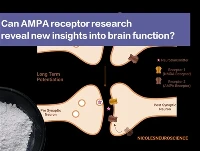
Experimental studies involving mitochondrial support strategies have shown that cell signaling and synaptic activity may be improved. Synapses are the connections between neurons that communicate with each other. Healthy synaptic function is crucial for learning, memory retention, and concentration.
While more human studies are still needed, scientists are optimistic that future therapies targeting cellular energy pathways will become part of broader strategies for healthy aging.
Challenges and Future Research
Despite the enthusiasm, experts caution that much of the current research remains experimental. The human brain is extremely complex, and aging involves multiple interacting biological systems.
Researchers are continuing to explore several key questions:
Which cellular pathways are most important for brain aging? Can mitochondrial decline be slowed or reversed?
How do genetic factors affect cellular energy efficiency
Which compounds or therapies are most effective for long-term support? Can Personalized Approaches Improve Outcomes in Cognitive Aging?
As scientific understanding deepens, future discoveries may help elucidate how cellular energy management influences an individual's lifetime neural resilience.
A New Frontier in Brain Health Research: The growing focus on cellular energy and mitochondrial function marks a significant shift in modern neuroscience. Researchers no longer view cognitive aging as an inevitable process but are increasingly exploring how to support biological systems that help the brain maintain function over the long term. Recent studies suggest that cellular energy pathways may offer valuable insights into healthier aging and long-term cognitive health. Scientists worldwide continue to investigate how supporting cellular function can improve memory, enhance attention, and strengthen neural resilience. As research progresses, cellular energy science may become one of the most influential areas in future brain health and longevity research.