




With continuous advancements in fragrance science and sensory ingredient technology, the global personal care industry is undergoing a major transformation, reshaping modern beauty and wellness products. From skincare and haircare to fragrances, oral care, and home products, manufacturers are increasing their investments in innovative fragrance compounds to enhance the consumer experience, improve product performance, and deliver long-lasting freshness.
Industry experts say that the growing consumer demand for sensory-experience-driven beauty products is prompting cosmetic companies to explore next-generation fragrance technologies that go beyond traditional perfume applications. Modern consumers now seek products that not only provide skincare benefits but also offer a refreshing feeling, emotional comfort, and an immersive self-care experience. Therefore, fragrance science has become one of the fastest-growing areas of innovation in the global cosmetics and personal care market.
The Increasing Importance of Sensory Experience in Personal Care
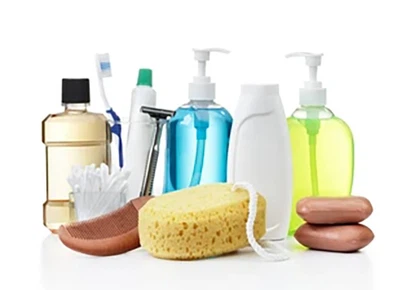
In recent years, consumer expectations for beauty products have changed significantly. Today, consumers are no longer solely focused on the appearance or scent of products but are paying more attention to texture, cooling sensation, long-lasting freshness, and the overall sensory experience. This shift has spurred the development of advanced fragrance ingredients that can interact with sensory receptors in the skin and olfactory system. Researchers explain that certain fragrance compounds can influence consumers' perceptions of cleanliness, hydration, freshness, and comfort when using products. Cooling sensory technology has become one of the most important trends in this field. A new generation of cooling compounds is increasingly being used in shampoos, facial cleansers, lotions, shower gels, deodorants, and oral care products.
For example, Menthyl Isovalerate, also known as Validol, is an ester compound formed from menthol and valerate. Due to its pleasant scent and refreshing properties, menthol valerate is widely used in the fragrance and flavor industry. Its safety has been widely established in consumer products when used at appropriate concentrations and with proper handling precautions. Its primary use is to add fragrance to colognes, perfumes, and personal care products such as shower gels and shampoos, giving them a refreshing scent.
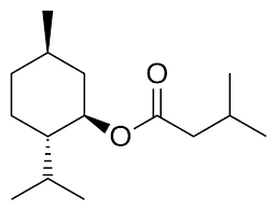
As a flavoring agent,It is added to food and beverages to add a refreshing minty flavor and a fresh aroma. In the pharmaceutical field, it is used as a flavoring agent for certain medicines to improve their palatability. Unlike traditional cooling ingredients that can sometimes cause over-stimulation or irritation, menthol valerate is designed to provide a gentler, more balanced cooling effect that is long-lasting and feels more natural. Scientists say these advanced ingredients help brands create lightweight, refreshing, and premium products-qualities that are becoming increasingly important in the competitive global beauty market.
Fragrance Innovation Beyond Mere Scent: Traditionally, fragrance ingredients have primarily been used to enhance product aromas. However, new developments in fragrance chemistry are changing the role of fragrance in personal care formulations. Today's fragrance systems are typically designed with multi-functional goals in mind. In addition to providing a pleasant scent, modern fragrance compounds can help improve emotional well-being, sensory freshness, product recognition, and even enhance consumers' perception of product efficacy. Researchers in neurocosmetics and sensory psychology have found that the fragrance experience can influence mood, relaxation levels, and consumer satisfaction. As health-oriented beauty products continue to gain popularity globally, companies are increasingly incorporating scientifically designed sensory systems into skincare and personal care routines. Many brands are promoting products that offer a "spa-like experience" at home, using fragrance and a cooling sensation to create a relaxing and revitalizing feeling. This trend is particularly popular among younger consumers, who often associate sensory experiences with product quality and luxury.
Microencapsulation Technology Enhances Long-Lasting Freshness
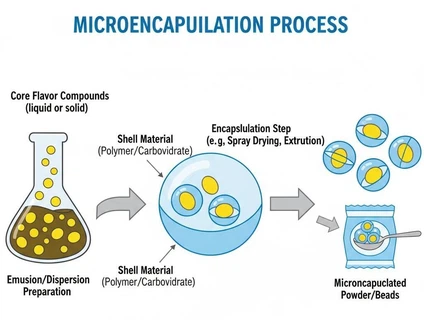
One of the biggest challenges in fragrance formulation has historically been fragrances' volatility. Many fragrance molecules evaporate rapidly after application, causing products to lose their freshness over time. To address this issue, scientists are investing heavily in microencapsulation and controlled-release technologies. These systems encapsulate fragrance compounds within microstructures, allowing them to slowly release their aroma during use. Therefore, microencapsulation technology is particularly important for deodorants, laundry care products, shampoos, conditioners, and skincare formulations. By improving fragrance stability and extending freshness duration, these technologies help create products with longer-lasting sensory and user experiences. Experts say that as consumer demand for long-lasting freshness and superior efficacy continues to grow, microencapsulation technology is expected to play an increasingly important role in future cosmetic product development.
Sustainability is Influencing Fragrance Ingredient Development
Environmental concerns are accelerating change in the fragrance and sensory ingredient industry. Consumers are increasingly focused on the origin of raw materials, environmental impact, and sustainability practices. To this end, cosmetic manufacturers and raw material suppliers are exploring more environmentally friendly production methods, biodegradable fragrance compounds, and natural fragrance alternatives. Compounds similar to Menthyl Isovalerate are gradually gaining attention. Therefore, biotechnology has become a major driver of innovation in this field. Through fermentation and bioengineered production systems, scientists can now manufacture certain fragrance molecules more sustainably than through traditional petrochemical synthesis. Industry analysts say that bio-based fragrance technology aligns well with the rising clean beauty movement, which emphasizes transparency, environmentally friendly sourcing, and safer cosmetic ingredients.
Asia Pacific Leads Sensory Beauty Product Growth
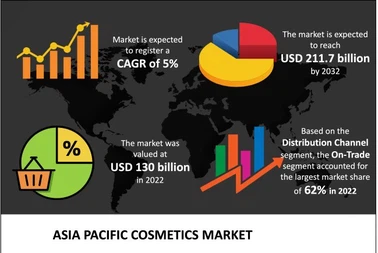
Market researchers predict that the Asia Pacific region will remain one of the fastest-growing markets for fragrance science and sensory beauty products over the next decade. Rising disposable income, an expanding middle class, and growing consumer interest in premium skincare are driving strong demand for advanced cosmetic formulations across the region. Consumers are increasingly favoring products that deliver a cooling sensation, a lightweight texture, a fresh scent, and a healthy experience. Social media trends have further fueled consumer interest in sensory skincare and beauty products.
The future of personal care is becoming increasingly sensory. Experts believe the future of cosmetics and personal care products will increasingly rely on advanced sensory technologies that deliver both functional and emotional benefits. Next-generation fragrance ingredients are no longer merely fragrance additives. Still, they are expected to become core components in health-oriented beauty formulations, designed to enhance comfort, freshness, mood, and overall consumer satisfaction. Despite challenges in sustainability, regulation, and ingredient transparency, rapid innovation in fragrance science suggests the industry will continue to grow in the coming years. As competition intensifies in the global beauty market, companies that can successfully integrate advanced fragrance technology, sensory experiences, sustainability, and consumer wellness are poised to lead the next generation of personal care innovation.